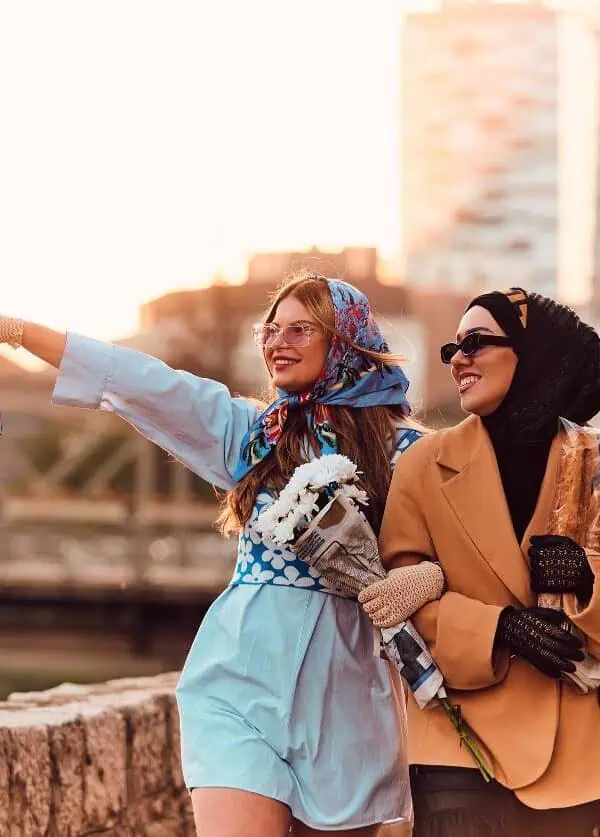
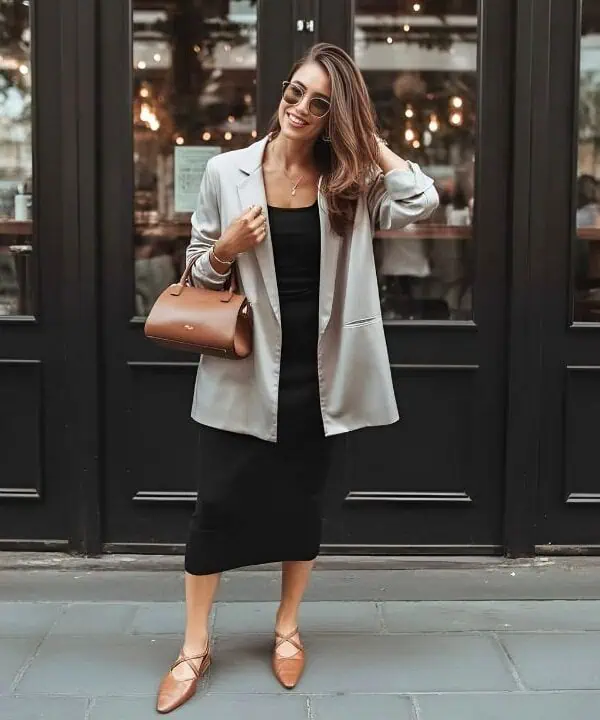
Packing for a trip where the weather swings between warm sun and sudden rain can feel like trying to solve a puzzle. You don’t want to lug around bulky clothes, but you also don’t want to be caught freezing or soaked. The solution? Mastering the art of layering. A well-layered outfit can handle morning chills, afternoon heat, and evening breezes all with a few smart pieces. These 10 travel-tested layering tricks will help you stay comfortable and stylish no matter what the forecast says. Whether you’re hiking in the mountains or exploring a city, these tips will have you ready for anything.
Table of Contents
1. Start with a Breathable Base Layer
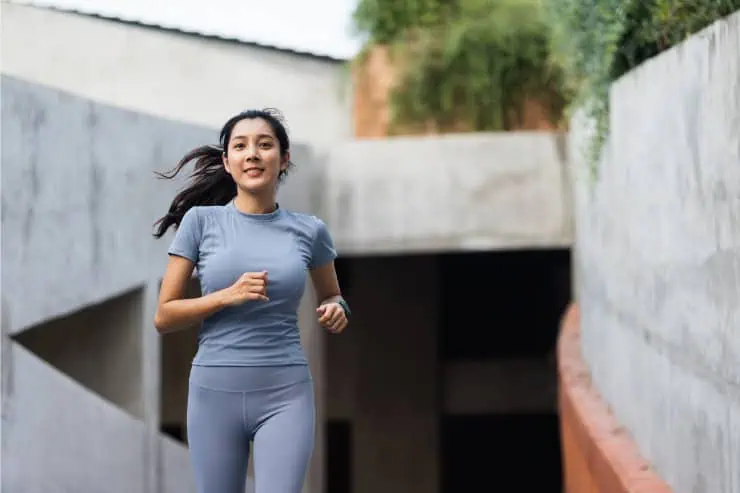
The foundation of any great travel outfit is a breathable base layer. This could be a fitted tee, a moisture-wicking tank, or a thin long-sleeve top. It should feel good against your skin and keep you dry if temperatures rise. Look for fabrics like merino wool, bamboo, or technical blends that regulate body temperature. These layers work well on their own if it gets warm but can also be built upon easily when it cools down. A solid base layer keeps you comfortable and helps you avoid overheating or sticking to your clothes when the sun comes out.
2. Use Lightweight, Packable Layers
Choose mid-layers that offer warmth without bulk. Think thin fleece pullovers, quilted vests, or merino sweaters. These items are easy to stuff into a tote or backpack when not in use and won’t weigh down your suitcase. Their real power comes from flexibility easy to throw on when temperatures drop and light enough to carry without hassle. Look for layers that compress well and retain warmth even if slightly damp. A good mid-layer can make the difference between a chilly walk and a comfortable outing, especially when you’re unsure what the weather will throw at you.
3. Always Pack a Rain Shell or Windbreaker
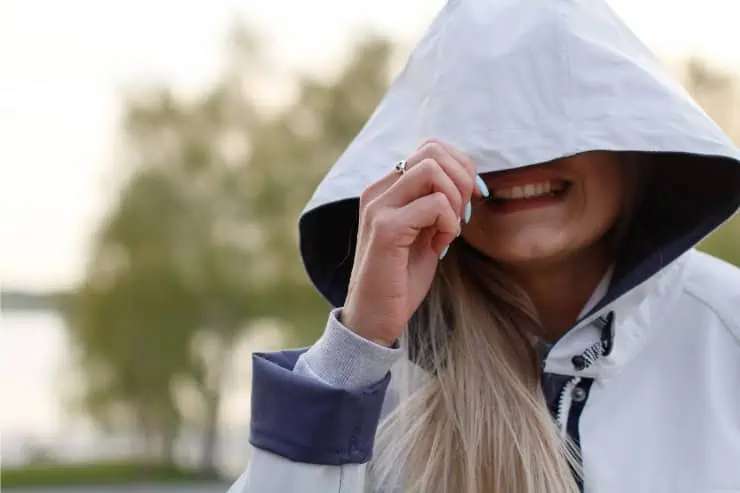
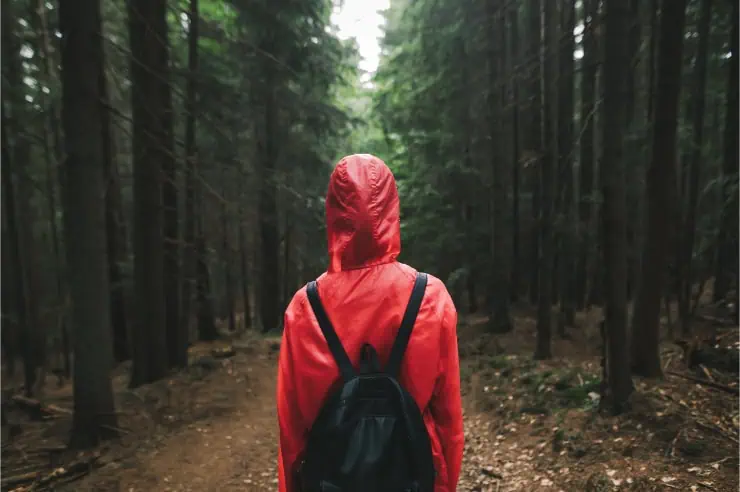
Even if the forecast looks clear, a sudden drizzle or gusty wind can ruin your day if you’re not prepared. A lightweight waterproof shell or windbreaker is a non-negotiable for travel. Choose one that folds into a pouch or rolls tightly in your bag. These jackets are great over any outfit and keep you dry without overheating. Bonus points if it has a hood and sealed seams. Neutral colors work best if you want it to match anything. Having a shell layer means you can confidently explore, hike, or tour without scrambling for cover in bad weather.
4. Choose Neutral Colors for Maximum Mixing
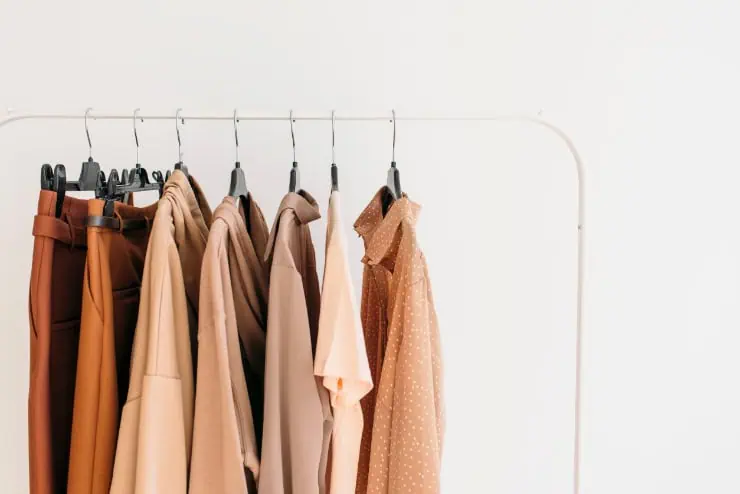
When layering, color coordination makes life easier. Stick to a neutral palette black, navy, beige, white, or gray for most of your layering pieces. This doesn’t mean boring; it means smart. Neutrals mix and match effortlessly, allowing you to create multiple outfit combos with fewer items. A white tee goes with a navy sweater, beige jacket, or black vest. If you love color, add a pop with a scarf or accessory. This trick ensures your travel wardrobe stays cohesive, even as you layer up or down with changing conditions. It’s also ideal for photos you’ll always look put together.
5. Master the Art of Sleeveless Layers

Sleeveless layers like vests, sweater tanks, or even longline denim vests are layering heroes. They keep your core warm without adding bulk to your arms, which is great for temperature regulation. Plus, they allow more freedom of movement and work well over tees or under jackets. Look for ones with texture or interesting cuts so they add style while still being functional. Sleeveless layers also help avoid the too-many-sleeves problem, which can feel restrictive. Add one to your suitcase and you’ll find it’s surprisingly useful, especially for fluctuating indoor and outdoor conditions.
6. Use Button-Downs as Both Shirts and Jackets
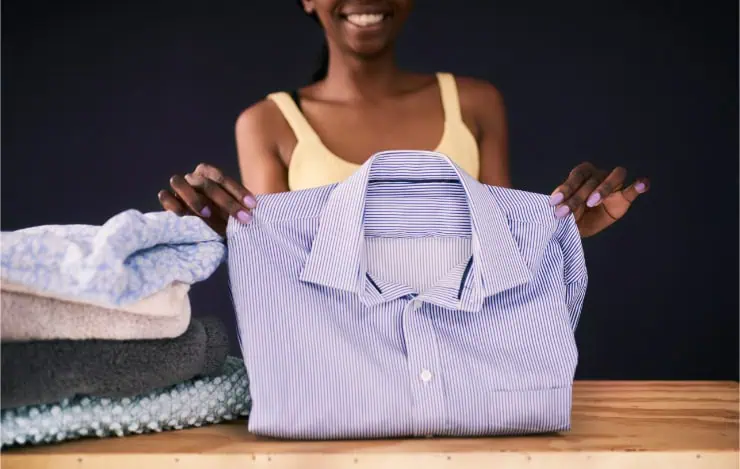
A lightweight button-down shirt, especially in cotton or chambray, doubles as both a shirt and a makeshift jacket. Wear it buttoned up when it’s cool, or open over a tank when it warms up. It’s a great layering piece that provides sun protection during the day and light warmth in the evening. Tie it around your waist for casual flair and easy access. Since it’s more structured than a tee, it also adds polish to your travel look. One button-down shirt can play several roles during your trip, saving space and boosting versatility.
7. Add a Scarf That’s Big Enough to Be a Wrap
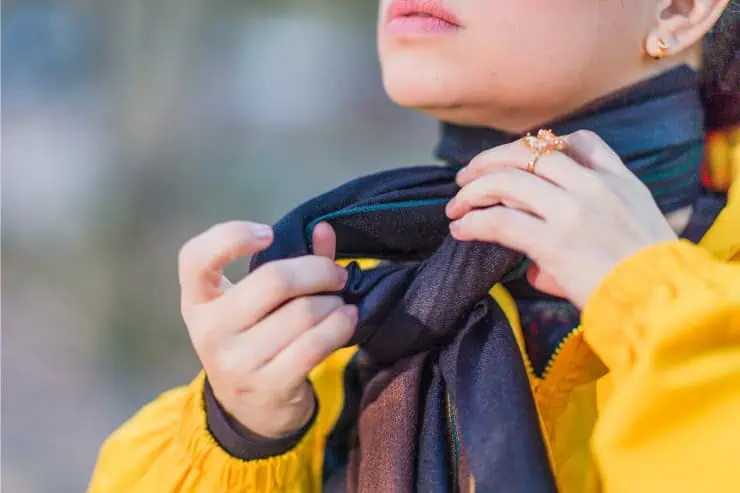
A large, lightweight scarf is one of the most underrated travel pieces. It adds warmth when wrapped around your neck, can become a shawl on chilly evenings, or even work as a blanket during flights. Choose a scarf in a neutral or complementary color that works with the rest of your wardrobe. It takes up almost no space in your bag but provides incredible value. If you’re dealing with sun, wind, or unpredictable temps, a scarf can be your most adaptable companion. It’s also an easy way to elevate even the simplest outfit instantly
8. Layer with Tights or Leggings Under Dresses
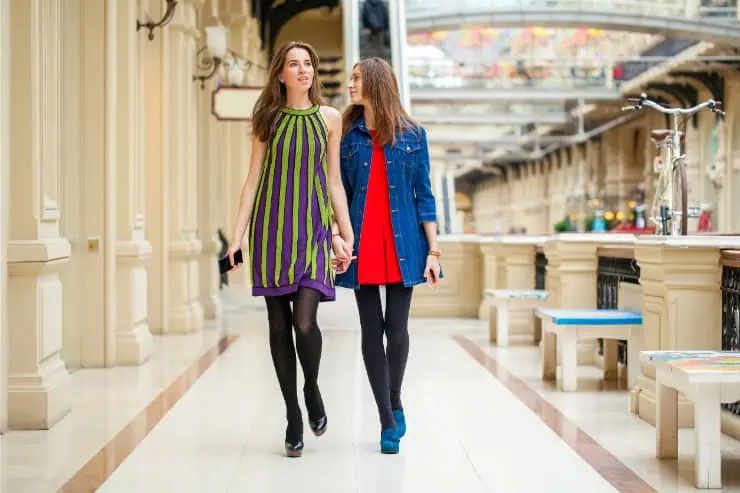
Don’t skip dresses just because of weather worries just layer smartly. Lightweight tights or leggings under dresses offer warmth and can easily be removed if it warms up later. Go for seamless or soft, stretchy materials that won’t feel bulky. Black or nude are the most versatile. This layering trick allows you to keep wearing favorite summer pieces even as the weather cools. If temperatures drop significantly, wear fleece-lined leggings for extra warmth. This habit expands your outfit options without taking up more suitcase space and keeps your travel wardrobe season-proof.
9. Choose Shoes That Work With Socks or Bare Feet

Footwear is often overlooked in layering, but it matters. Bring shoes that can adapt sneakers or boots you can wear with cozy socks in the cold, or slip-ons that still work when barefoot in warmer weather. Avoid sandals that limit layering potential or heavy boots that trap heat. Sock-friendly shoes mean you can adjust warmth without changing your whole outfit. Consider packing thin and thick socks to give you temperature control on the go. Comfortable, adaptable shoes make all the difference when weather conditions shift from morning to night.
10. Pack Thin, Not Thick, But Layer More of It
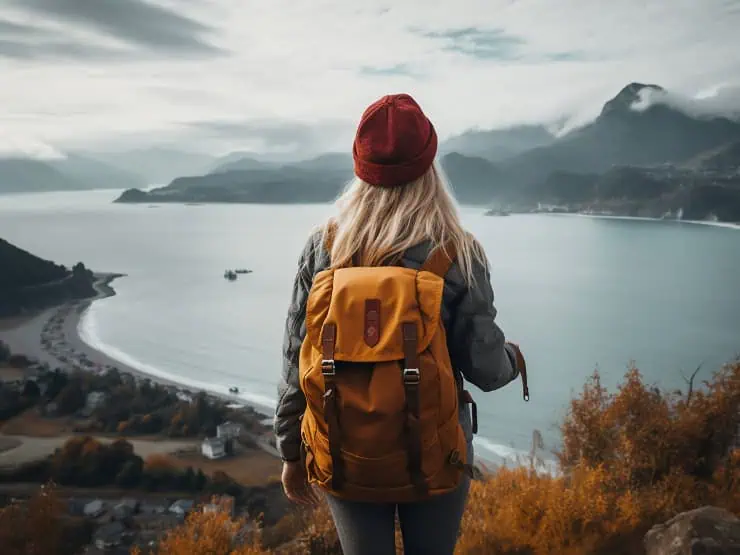
Instead of packing one or two thick sweaters, pack several thin layers you can build up or peel away. Two or three light knits can keep you just as warm as one bulky hoodie but they’re more versatile and space-saving. This also helps you adjust more precisely to temperature changes. Start with a tee, add a sweater, then a vest or jacket. If you get too warm, take one off and continue comfortably. This trick is key to packing light without sacrificing comfort or style especially when your travel forecast looks unpredictable.Bottom of Form