Japanese minimalism isn’t just an aesthetic it’s a mindset that celebrates balance, intentionality, and timeless beauty. Rooted in the philosophy of “less but better,” this approach to dressing values quality over quantity and subtlety over excess. Japanese women have mastered the art of looking effortlessly refined without chasing trends or cluttering their style. Their wardrobes are calm, cohesive, and functional yet endlessly elegant. Whether you’re over 40 or simply craving simplicity, these ten minimalist outfit rules from Japan offer timeless lessons on restraint, proportion, and the quiet power of thoughtful design.
Table of Contents
1. Prioritize Quality Over Quantity

At the heart of Japanese style lies an appreciation for craftsmanship. Instead of overstuffing closets, Japanese women invest in fewer, better pieces. A well-made blazer, cashmere knit, or tailored trouser speaks volumes about discernment and longevity. Minimalism doesn’t mean lack it means refinement through quality. Every piece should serve a purpose, withstand time, and bring quiet joy to wear. By focusing on superior fabrics, clean stitching, and versatile design, you elevate your wardrobe naturally. This rule transforms dressing from consumerism into an intentional, elegant ritual centered on quality living.
2. Choose Neutral and Nature-Inspired Tones

Japanese minimalist fashion embraces nature’s palette soft beiges, warm grays, deep greens, and creamy whites. These tones exude calm and sophistication, blending effortlessly across outfits and seasons. Bold color rarely dominates; instead, subtle harmony takes precedence. By working within a neutral color scheme, your wardrobe becomes cohesive and easy to style. The beauty of this approach lies in its restraint muted tones emphasize silhouette, texture, and craftsmanship. When dressing this way, you look grounded, modern, and at ease, embodying the quiet confidence synonymous with Japanese elegance.
3. Keep Silhouettes Clean and Relaxed

Japanese minimalist fashion favors structure without rigidity. Think loose trousers, boxy blouses, and softly draped coats that move with the body. Unlike Western fits that emphasize curves or tailoring, these silhouettes prioritize comfort and fluidity. The result is understated sophistication outfits that look intentional, not forced. Flowing lines create balance and grace, while avoiding anything too tight or fussy. When you choose clothing that skims rather than clings, your presence feels effortless and modern. It’s about freedom in form letting the silhouette speak quietly but powerfully.
4. Embrace Layering as an Art Form

Layering is essential in Japanese style but it’s executed with purpose. The goal is harmony, not excess. Layer different lengths and textures such as a linen shirt under a wool vest, topped with a long coat creating dimension without clutter. Each layer should add depth, movement, or function. Japanese women often mix structured outerwear with soft knits, mastering proportion through subtle contrast. This thoughtful layering technique creates fluidity while maintaining elegance. It’s about precision: knowing when to stop, and ensuring every piece contributes to the overall balance.
5. Focus on Texture, Not Print

Minimalism thrives on texture rather than pattern. Japanese outfits rely on the tactile richness of fabrics raw silk, linen, tweed, and brushed cotton to add visual interest. This approach invites you to feel the garment’s quality, not just see it. Instead of busy prints, texture creates quiet depth, allowing the wearer’s personality to shine through simplicity. For fall, pairing a ribbed knit with smooth wool trousers or a crisp cotton shirt with a felt coat offers understated sophistication. It’s tactile storytelling refined, timeless, and emotionally resonant.
6. Keep Accessories Functional and Intentional

In Japanese minimalism, accessories aren’t afterthoughts they serve a purpose. Each item, from structured leather bags to minimalist jewelry, must feel essential. Oversized logos, flashy embellishments, or trendy extras have no place here. Instead, choose pieces that integrate seamlessly: a sculptural silver cuff, a simple tote, or minimalist loafers. Functionality enhances beauty a core Japanese philosophy. When your accessories align with your outfit’s form and purpose, they create visual harmony. This mindset ensures you always look composed, even with the simplest finishing touches.
7. Master Proportion and Balance

Balance is central to Japanese aesthetics, from architecture to fashion. Outfits should flow like a visual composition loose paired with fitted, long balanced by cropped. If you wear wide trousers, add a shorter, structured top. If you choose an oversized coat, keep your base layers slim. This creates rhythm and structure without rigidity. The Japanese call it ma the beauty of space and proportion. By mastering this balance, your outfit gains harmony and poise, allowing the eye to rest naturally rather than chase competing elements.
8. Practice a “One Statement Piece” Rule

Japanese women often let one standout item define their outfit perhaps a sculptural handbag, asymmetrical coat, or artful shoe. The rest of the look remains neutral, allowing that single piece to take focus. This rule embodies discipline and artistry, preventing over-accessorizing or visual noise. It’s a refreshing alternative to trend layering, where restraint amplifies impact. Choose statement items that feel timeless yet modern architectural jewelry, structured outerwear, or distinctive footwear. This minimalist strategy turns even the simplest outfit into something quietly memorable and stylish.
9. Opt for Understated Footwear
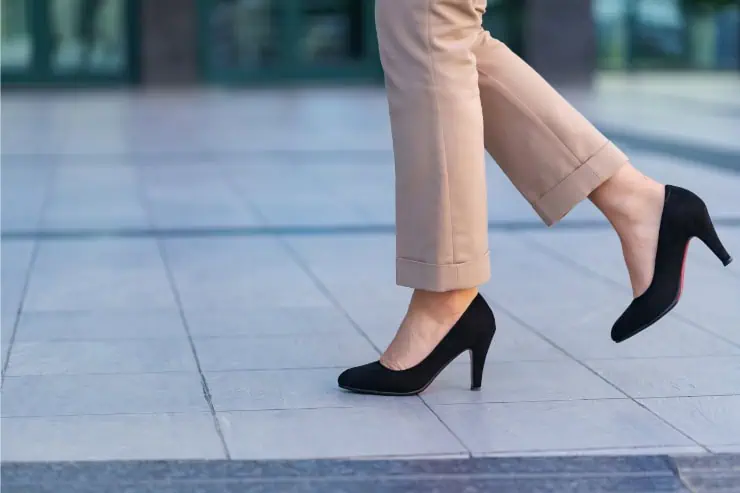
Japanese minimalist style favors shoes that complement the outfit rather than dominate it. Neutral-toned loafers, leather mules, or sleek ankle boots are preferred over flashy heels or bulky sneakers. Comfort and form merge seamlessly a reflection of intentional living. Footwear should feel timeless, practical, and elegant enough for any setting. Think of it as the silent foundation of the look quietly sophisticated and designed to last. By choosing understated, high-quality shoes, you reinforce the clean, refined aesthetic central to Japanese minimalist dressing.
10. Treat Dressing as a Mindful Practice

Perhaps the most profound Japanese rule of all is mindfulness in dressing. Each morning, clothing is chosen with calm purpose how it feels, how it moves, and how it fits the day’s rhythm. This mindset transforms fashion from a rushed task into an act of self-respect. Simplicity allows space for intention, and intention creates elegance. When you approach your wardrobe thoughtfully curating rather than consuming your outfits naturally reflect inner balance. This quiet harmony is the essence of Japanese minimalism: style that radiates peace, authenticity, and timeless grace.