Black women’s hair has been a source of creativity, identity, resistance, and beauty through history. Many of the hairstyles they innovated whether born out of necessity, culture, or community have become widely known and adopted, often shaping mainstream fashion. Each style carries its own story: of heritage, politics, innovation, and artistry. This article explores ten such hairstyles, how they originated, how they spread into mainstream culture, and what they represent. Understanding their history honors the creativity and resilience of Black women who made them iconic.
Table of Contents
1. Cornrows
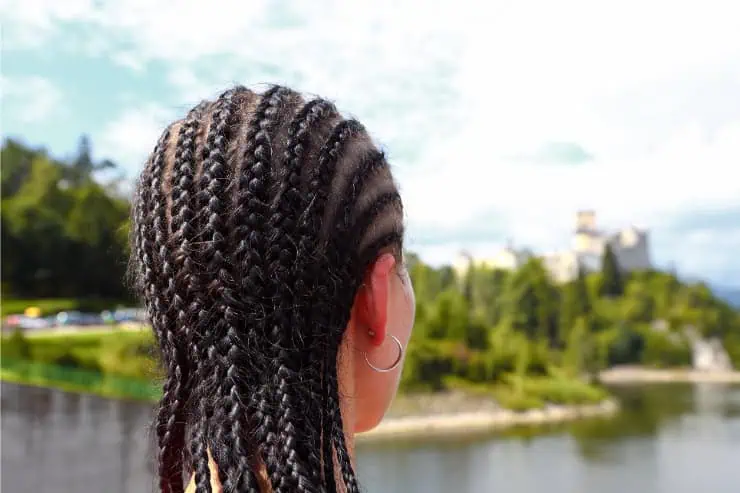
Cornrows are one of the oldest styles, with roots tracing back thousands of years in various African societies e.g. Nile Valley, Yoruba, and other communities. Braiding patterns were used to communicate social status, tribal affiliation, age, or marital status. During the transatlantic slave trade, enslaved people maintained these styles as a link to home. In the 20th and 21st centuries, cornrows became popular in mainstream culture through athletes, musicians, and movies. While sometimes “appropriated” without acknowledgement, they remain deeply significant as a heritage style representing endurance and tradition.
2. The Afro
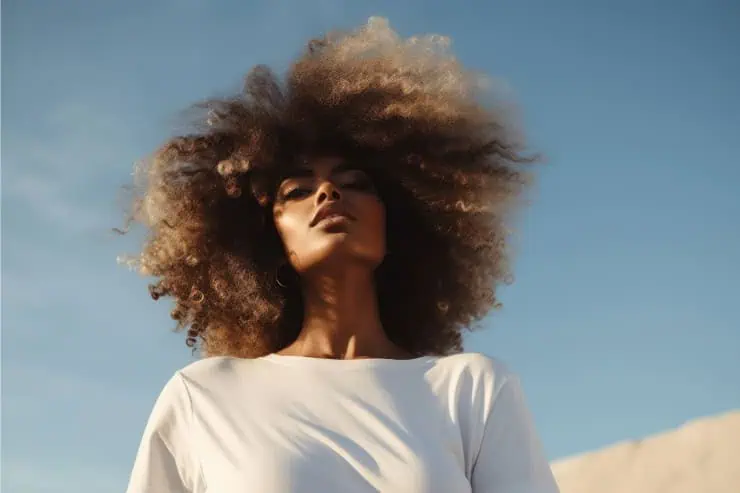
The Afro rose to prominence in the 1960s and ’70s during the Civil Rights and Black Power movements as a symbol of pride and resistance. Wearing hair in its natural, full texture celebrated Black identity and rejected Eurocentric beauty standards of straightened hair. Icons like Angela Davis, Nina Simone, and members of the Black Panther Party helped popularize it. The mainstream fashion world adopted the silhouette through editorial imagery and music videos. It remains a symbol of empowerment the act of wearing the Afro is often as much political as personal.
3. Dreadlocks / Locs
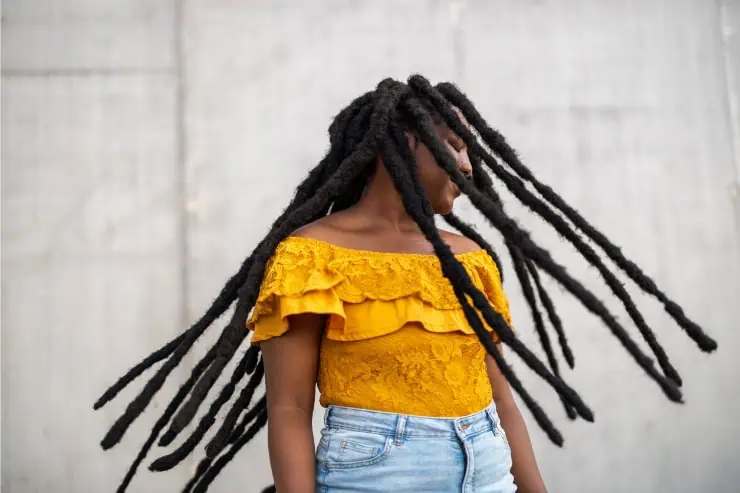
Dreadlocks have origins in many African cultures, sometimes worn for spiritual reasons, as status symbols, or in ritual contexts. In more recent history, the Rastafari movement popularized dreadlocks in the Western world. Beyond that, Black artists, celebrities, and everyday people brought locs into mainstream visibility. Locs represent patience, growth, naturality, and a connection to heritage. Though often controversial due to workplace norms, locs have become more widely accepted as powerful expressions of identity.
4. Twist Styles (Two-Strand Twists, Senegalese Twists, etc.)
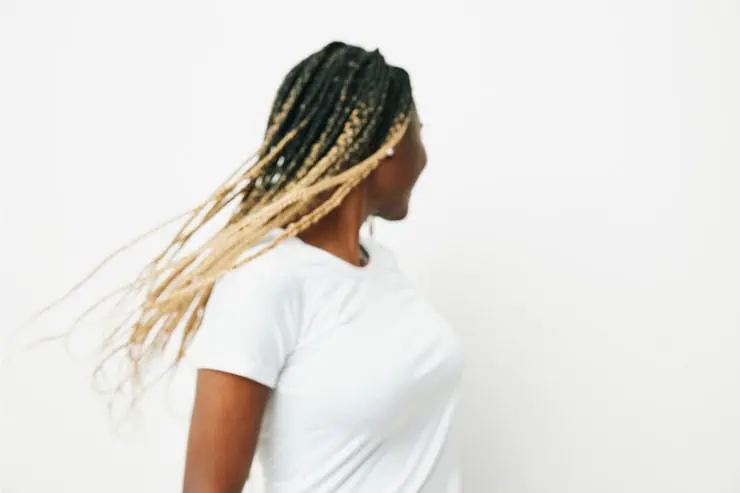
Twist hairstyles have origins in various African braiding traditions where strands are twisted for both aesthetic and practical purposes for ease of maintenance and protection of natural texture. In the diaspora, twists adapted into many variants: Senegalese twists, rope twists, two-strand twists, etc. Through beauty salons, media, and popular celebrity adoption, twists became known mainstream protective styles. They combine visual elegance with practicality: they protect hair, allow growth, and reduce breakage.
5. Finger Waves
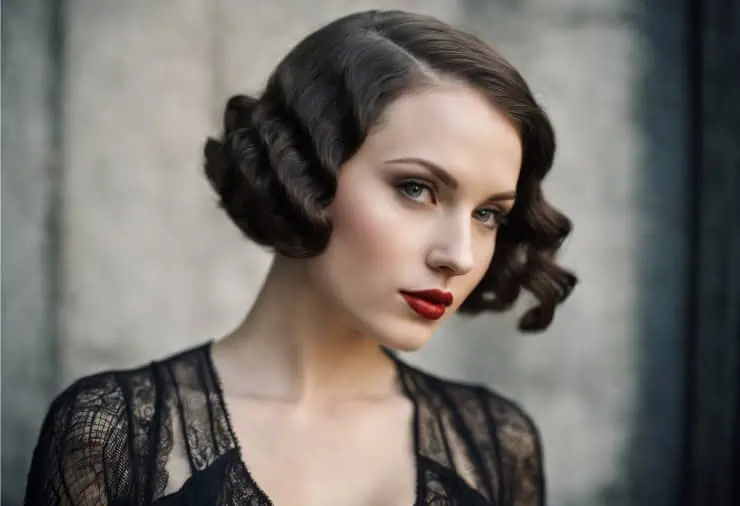
Finger waves became hugely popular in the 1920s–1930s, especially within the Black community during the Harlem Renaissance. They used styling techniques to sculpt hair into “S” shaped waves using fingers and combs, often with setting lotion. The style was elegant, glamorous, and a response to changing aesthetics in the Jazz Age. It influenced mainstream beauty standards, appearing in Hollywood, fashion magazines, and eventually resurfacing in many retro revivals. Even today finger waves are used in high fashion and red carpet looks, often as nods to vintage style.
6. Bantu Knots
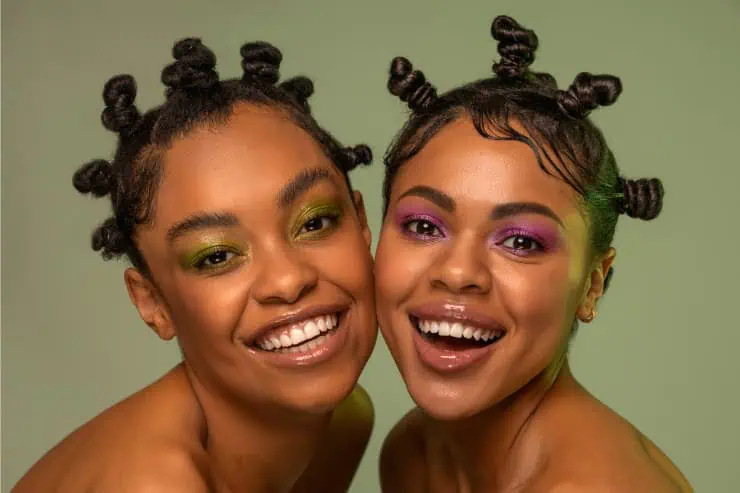
Bantu knots are rooted in various Central, Eastern, and Southern African cultures. “Bantu” refers to a linguistic grouping of many tribes, and the knots were traditional practices in many of those communities. The hairstyle involves sectioning hair and twisting into small coiled knots close to the scalp. In modern times, Bantu knots have gained visibility through media, Black hair care culture, and fashion runways. They’re both a protective style and a styling expression. Sometimes used as transitional styles (for example, removing them leaves a Bantu knot-out wave pattern).
7. Box Braids
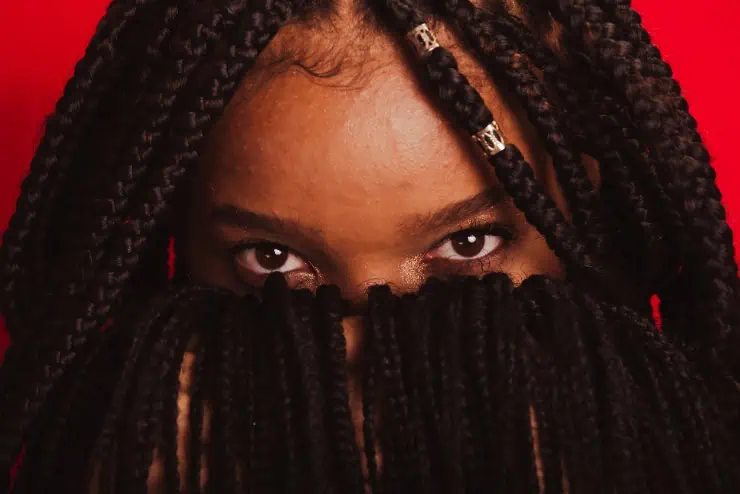
Box braids are a variation of plaited styles with square-shaped partings; they became very popular in the 1970s and ’80s in the US, thanks in part to African-American communities and then widespread through pop culture via musicians, actors, etc. They offered a versatile protective style. Not just aesthetic, they also allowed for long hairstyles with low maintenance. Over time, box braids have been adapted to different sizes, lengths, and materials (like extensions), and are now seen globally on runways, red carpets, and everywhere in between.
8. Afro Puffs
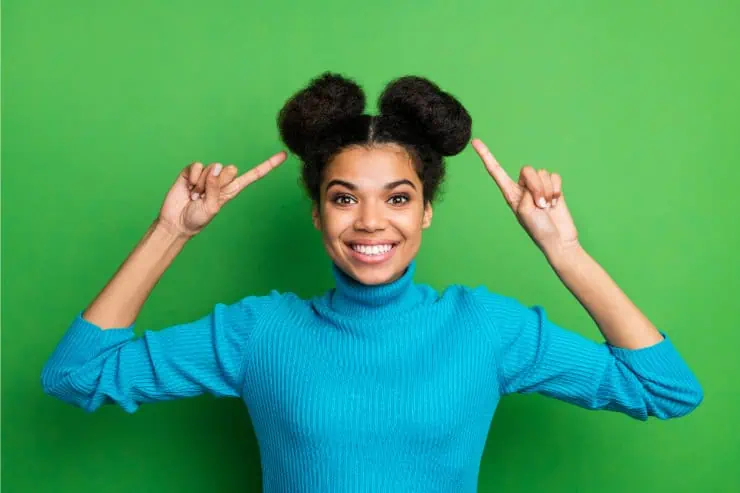
Afro puffs are a playful and youthful style that involves gathering texture into puffs, often symmetrical, on either side or multiple parts of the head. They have origins in everyday Black hair styling and childhood looks but became more visible in cultural representations, cartoons, fashion, and social media. Afro puffs celebrate texture, volume, and natural curls. They emphasize embracing natural hair in its full form less about taming it and more about celebration. Many people use puff styles for ease, style, and a fun attitude in hair expression.
9. Flat Twists
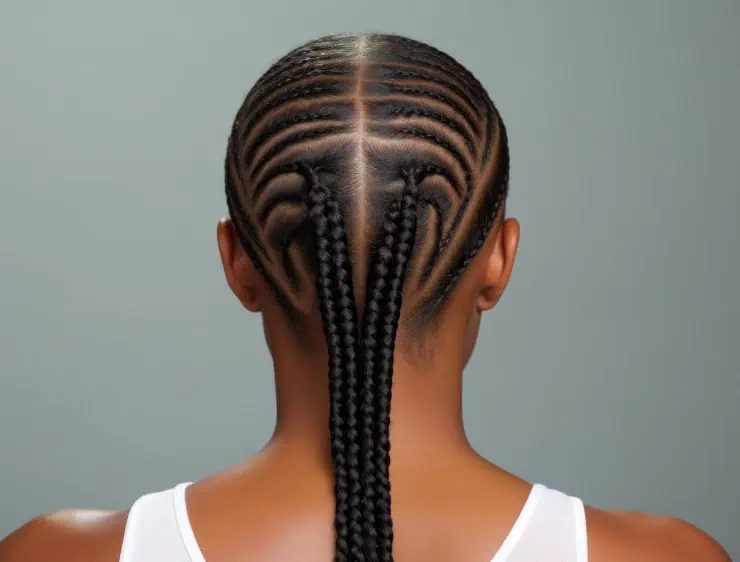
Flat twists are comparable in concept to cornrows but involve twisting hair close to the scalp using a two-strand twist method. They have origins in African protective hairstyles and are used both for aesthetics and hair health. Flat twists have been adopted widely in modern Black hair styling, often worn under wigs, as part of updos, or just as a style in their own right. They are popular because they provide protective base styles, shape for subsequent styles, and neatness with artistic parting options.
10. Weaves + Wigs Popularization
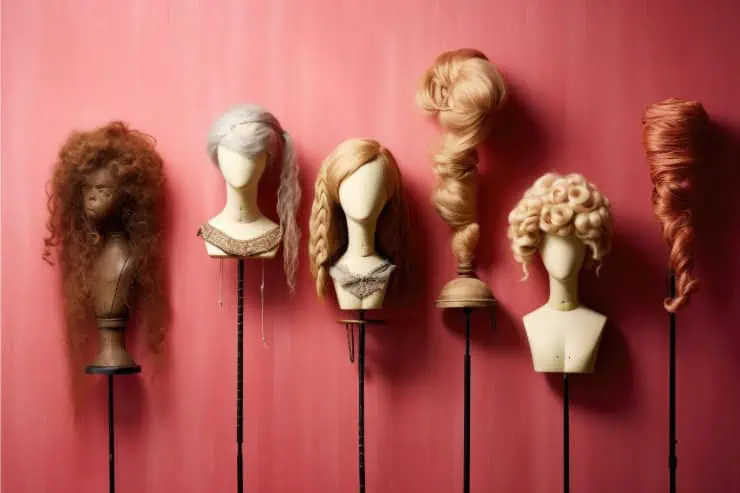
Though wigs and weaves have existed for centuries in various forms, Black women in the 20th and 21st centuries developed highly skilled craftsmanship, creative artistry, and cultural norms around them. From lace fronts to custom wig making, and long silk-press weaves to textured extensions, these styles allowed flexibility and style expression from straight hair (a historically contested look) to curls, color changes, length, etc. They also became widespread through entertainment, fashion, and social media.