Fashion weeks increasingly influence everyday wardrobes, especially among students who blend comfort with visual impact for social media and daily life. Campus style today balances practicality walking between classes, long days, changing weather with individuality and trend awareness. Recent runway directions emphasize wearable statement pieces rather than theatrical looks, making them ideal for adapting into real-life outfits. Relaxed tailoring, playful layering, and expressive accessories dominate current fashion cycles, allowing students to create distinctive looks without sacrificing ease.
Table of Contents
1. Relaxed Tailoring With Casual Layers

Relaxed tailoring has moved from runways into everyday student wardrobes because it combines structure with comfort. Oversized blazers, loose trousers, and soft suiting fabrics layer effortlessly over T-shirts, hoodies, or tanks, creating outfits that feel styled yet easy. The contrast between formal tailoring and casual basics makes looks visually interesting and modern. Students appreciate that these pieces look polished in photos while remaining comfortable for long academic days. Neutral tailoring also mixes well with existing wardrobe staples, extending versatility. The slightly oversized silhouette reflects current fashion direction without requiring precision fit, making relaxed tailoring an accessible runway trend for campus dressing.
2. Statement Sneakers as Outfit Anchors
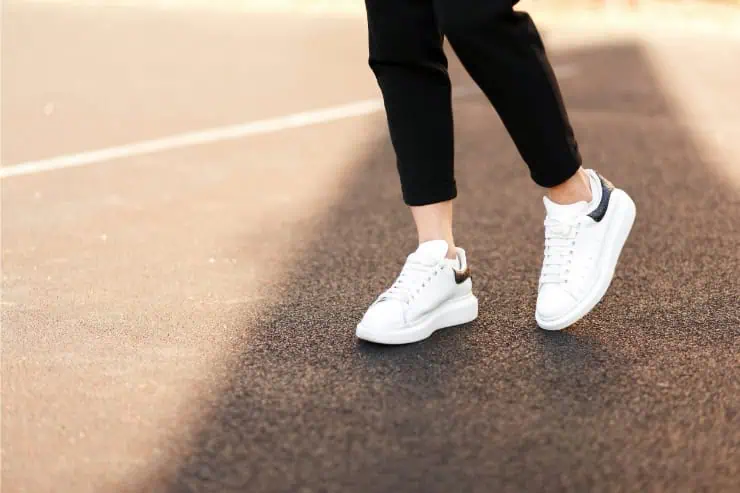
Fashion weeks have elevated sneakers from background footwear to central styling pieces. Bold soles, distinctive color blocking, or sculptural shapes now anchor outfits rather than simply complement them. On campus, statement sneakers pair with everything from jeans to skirts to tailored pants, adding energy to simple clothing. They also provide comfort for walking-heavy routines. Students gravitate toward sneakers that photograph well, as footwear often becomes the focal point in social images. The combination of practicality and visual impact makes statement sneakers one of the most wearable runway influences. They instantly modernize everyday outfits without extra effort.
3. Mini Skirts With Oversized Tops
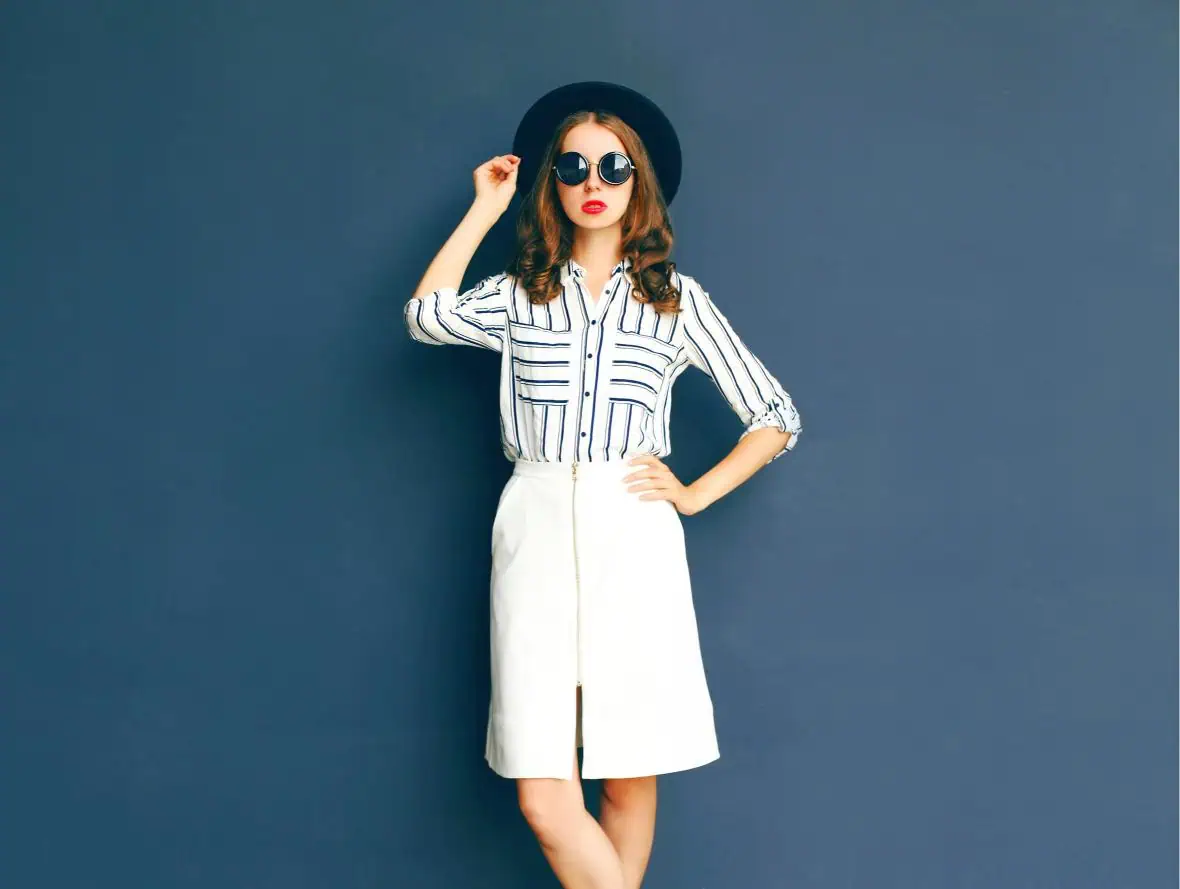
The contrast between short hemlines and oversized tops has become a defining runway proportion that translates easily to campus style. Mini skirts paired with large sweaters, hoodies, or jackets balance coverage and exposure, creating a playful yet comfortable silhouette. Students favor this mix because it allows freedom of movement while maintaining trend relevance. Layering tights or boots adapts the look across seasons. The oversized upper half keeps the outfit relaxed and approachable, avoiding overly dressy associations. This proportion also photographs well, emphasizing shape contrast and youthful energy. It’s a simple styling shift that feels distinctly fashion-forward.
4. Layered Shirts and Knits
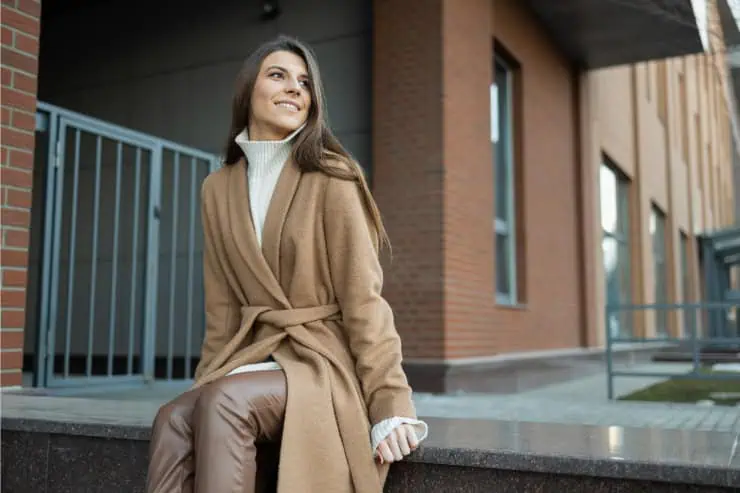
Layering multiple tops shirts under sweaters, polos over tees, or tanks over shirts has emerged from fashion weeks as a creative styling technique. On campus, this approach adds dimension to otherwise basic clothing. Visible collars, hems, and textures create depth that elevates simple outfits in photos and real life. Students enjoy experimenting with color or fabric contrasts while staying comfortable. Layering also adapts easily to changing temperatures throughout the day. Because it relies on pieces many already own, this trend feels accessible. The visual complexity it creates makes outfits appear intentionally styled rather than thrown together.
5. Cargo Details and Utility Elements
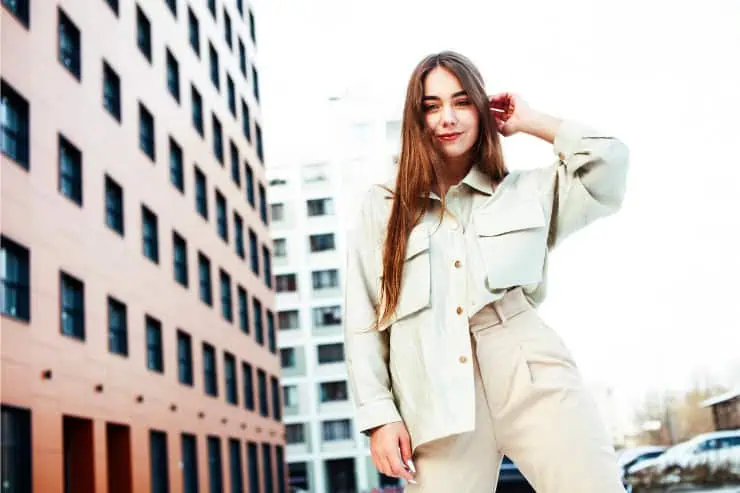
Utility-inspired pockets, straps, and hardware have reappeared on runways and transitioned seamlessly into student wardrobes. Cargo pants, pocketed skirts, and utility jackets offer both function and trend appeal. On campus, these details provide practicality for carrying essentials while adding visual interest to outfits. The structured pockets and seams create texture that stands out in photos. Students often pair utility pieces with simple tops or sneakers to balance the look. Neutral shades like olive, beige, or gray maintain versatility. The combination of usefulness and contemporary edge makes cargo elements especially suited to everyday academic environments.
6. Playful Color Pops in Accessories

Runway styling increasingly uses small bursts of bright color rather than full bold outfits. Students adopt this through bags, socks, hair clips, or shoes in vivid hues paired with neutral clothing. This method keeps outfits wearable while adding personality and photo appeal. A bright accessory draws attention and creates focal contrast without overwhelming daily wear. Campus wardrobes often rely on basics, making color accents easy to integrate. Students appreciate that a single accessory can update many outfits. This trend demonstrates how minimal investment can produce maximum visual freshness and individuality.
7. Denim on Denim Refresh

Denim layering has returned with updated washes and silhouettes that feel modern rather than retro. Students combine jeans with denim jackets or skirts in coordinated or contrasting tones. The key runway update is relaxed fits and varied shades rather than matching sets. On campus, denim-on-denim offers durability, comfort, and effortless cohesion. It also photographs well because the texture and tone variations add depth. Layering denim pieces over simple tops keeps outfits grounded. Because denim is already a wardrobe staple for most students, this trend feels approachable while still distinctly current and fashion-aware.
8. Sheer Layers Over Basics
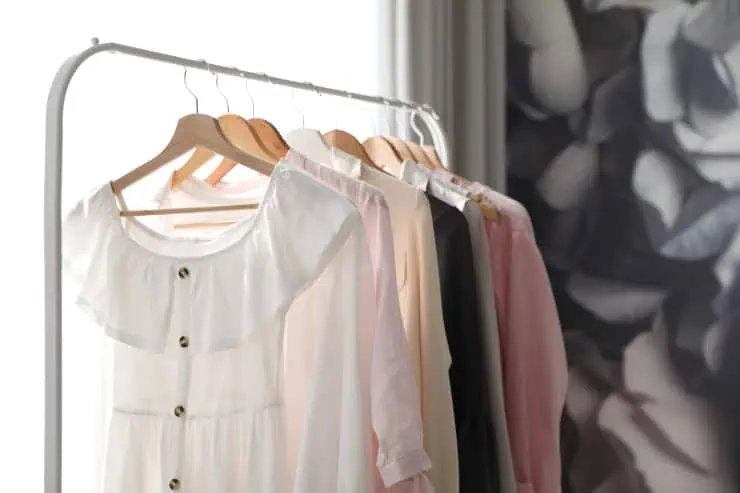
Sheer fabrics have moved from eveningwear into daytime styling through layering. Transparent skirts, tops, or overlays worn over opaque basics create dimension without revealing too much. Students adopt this trend by layering sheer pieces over tanks, shorts, or slip dresses. The effect adds movement and visual softness to outfits, enhancing photogenic appeal. Sheer layers also keep clothing lightweight and breathable. Neutral or subtle tones maintain campus appropriateness. This runway idea allows experimentation with texture and layering while preserving comfort and coverage, making it surprisingly practical for everyday student style.
9. Statement Belts on Relaxed Pieces
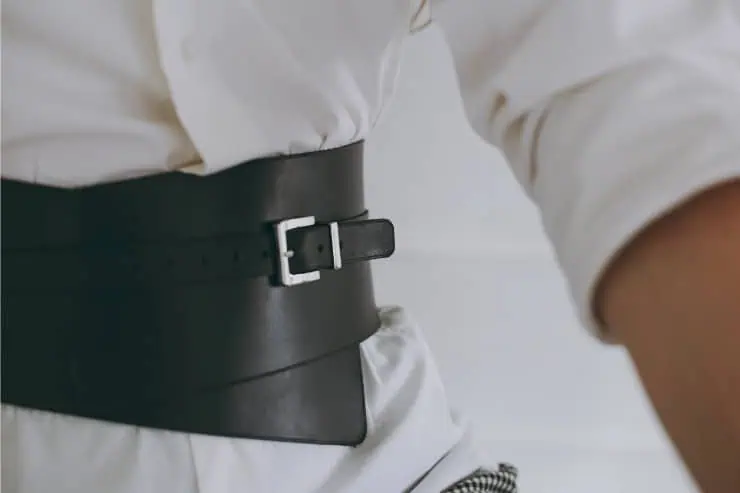
Belts have shifted from functional to decorative on runways, often cinching oversized garments. Students replicate this by belting sweaters, shirts, or loose dresses to create shape. This technique transforms relaxed clothing into styled silhouettes without needing tailored pieces. On campus, it helps oversized trends feel intentional rather than baggy. Textured or bold belts add focal interest to simple outfits. The placement slightly above the natural waist elongates proportions, which translates well in photos. Because many students already own belts, this styling change offers an easy way to adopt runway aesthetics in daily wear.
10. Mixed Sport and Preppy Elements

Fashion weeks have merged athletic and preppy aesthetics track pants with shirts, polos with sneakers, or varsity jackets with skirts. Students naturally adopt this blend because it aligns with campus life and comfort needs. The contrast between sporty and classic pieces creates modern balance and individuality. Mixing styles also expands outfit combinations within limited wardrobes. Athletic elements ensure ease of movement, while preppy pieces add structure and polish. This hybrid look feels youthful yet composed, making it highly photogenic. Its adaptability across seasons and occasions explains why it has become a defining campus trend.