Black culture has long been a powerhouse of influence in the world of fashion, birthing trends that have gone global. From streetwear essentials to high-fashion reinventions, many of today’s most iconic styles trace their roots to Black communities, artists, and cultural movements. These staples not only reflect history and identity but also represent resilience, innovation, and pride. Here are 10 fashion items that originated from Black culture and continue to inspire style across generations and continents.
Table of Contents
1. Hoop Earrings

Hoop earrings are more than just accessories—they’re cultural symbols of strength, pride, and identity within Black and Latinx communities. Popularized in the ’60s and ’70s by icons like Angela Davis and Diana Ross, hoops became synonymous with power and expression. In hip-hop culture, they evolved into oversized and gold-plated variations that spoke volumes without saying a word. While now widely adopted across all fashion circles, hoops remain rooted in Black culture, representing bold self-expression and defiance against Eurocentric beauty norms. Today, they’re worn with pride, often as a statement of solidarity and individuality, proving that their significance goes far beyond style.
2. Sneakers as Everyday Style
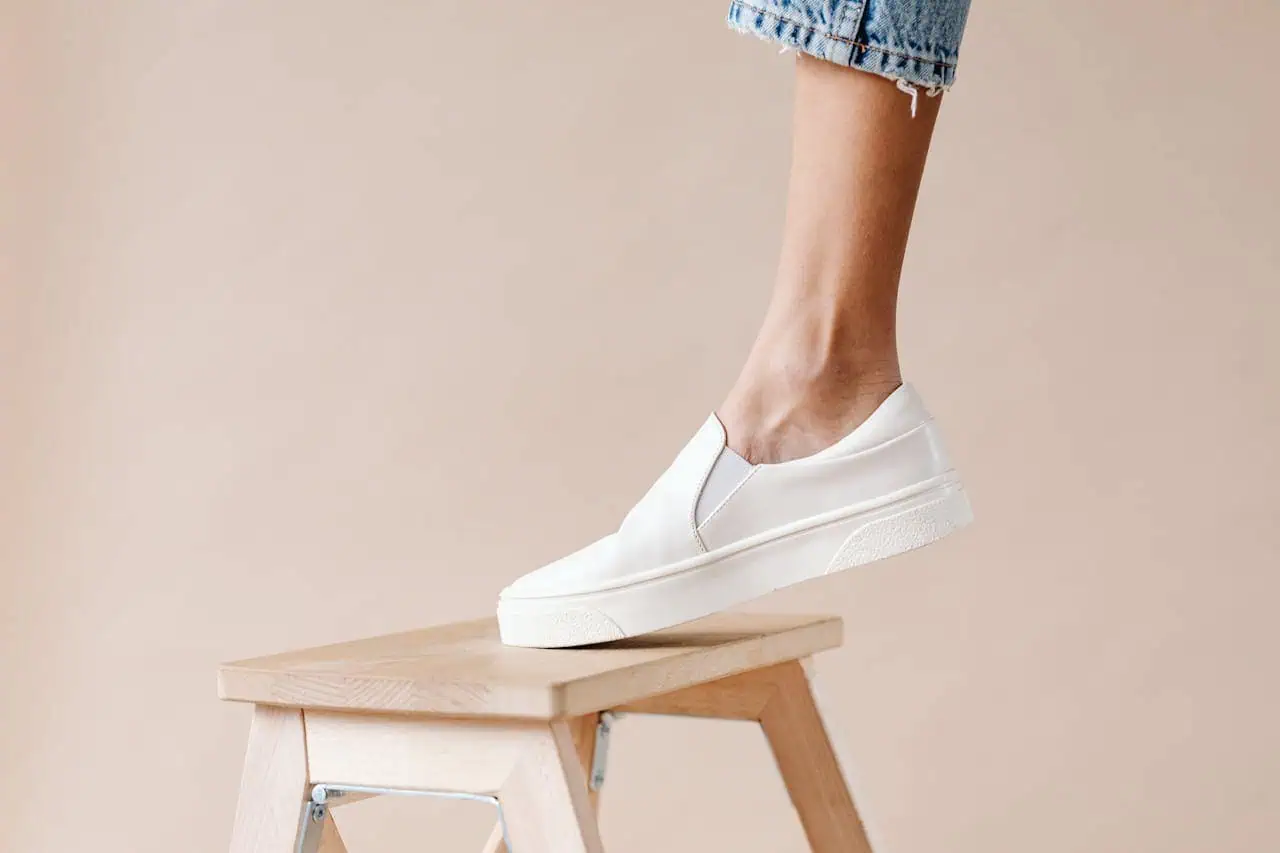
The elevation of sneakers from athletic gear to everyday essentials is largely credited to Black communities—especially through basketball, hip-hop, and street culture. Michael Jordan’s Air Jordans didn’t just revolutionize sportswear, they redefined fashion. Hip-hop artists and rap legends like Run DMC, who famously rocked Adidas without laces, transformed sneakers into status symbols and cultural signifiers. Today, sneaker culture is a billion-dollar industry, but its heartbeat remains in the communities that first made it cool. Collecting, customizing, and styling sneakers isn’t just a hobby—it’s a lifestyle born from Black innovation and expression.
3. Logomania
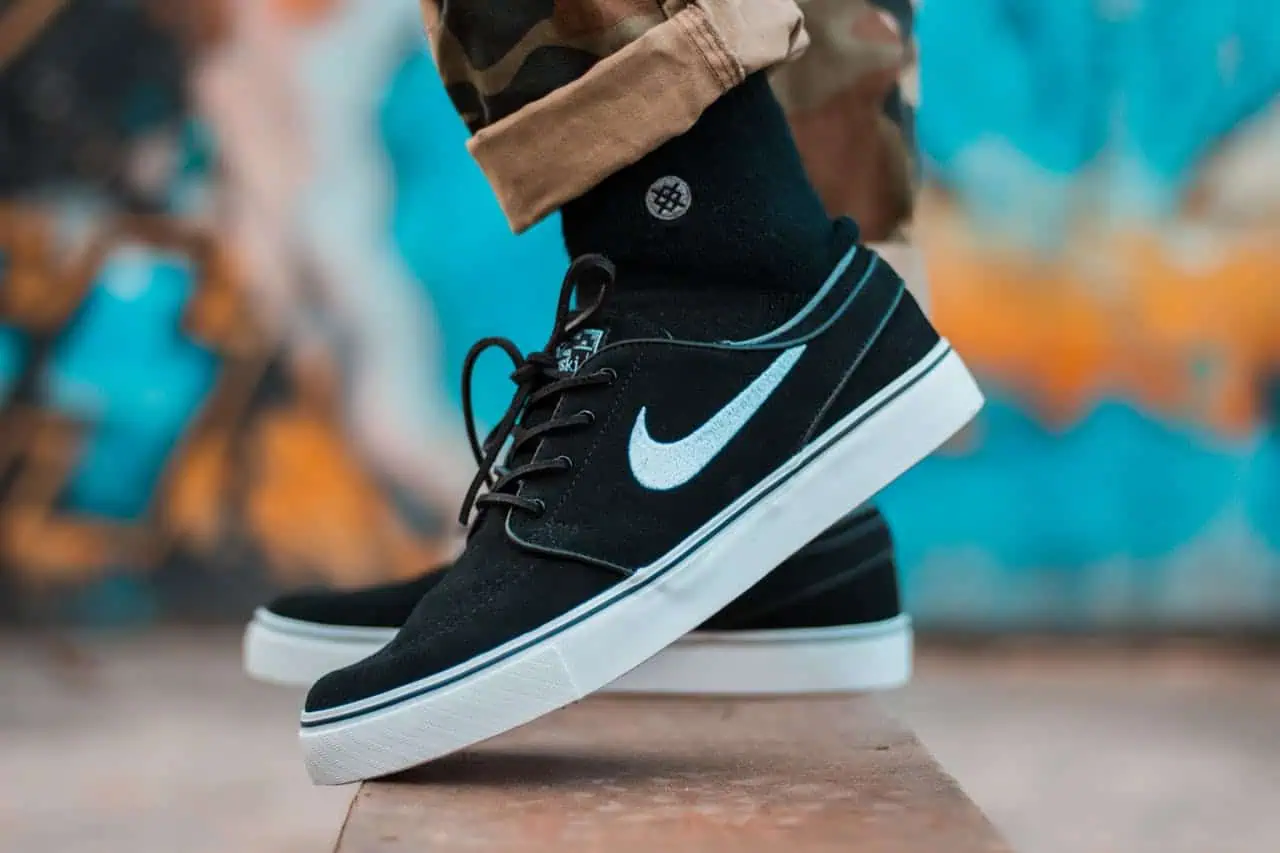
Wearing visible brand logos as a style statement gained momentum in the ’90s and early 2000s—thanks largely to hip-hop artists who flaunted logos from brands like FUBU, Tommy Hilfiger, and Gucci. For many in Black communities, embracing logomania was about reclaiming luxury, being seen, and expressing aspirational style. Rappers turned high-end fashion houses into street status symbols, influencing global style in the process. Today’s designer-heavy aesthetics owe much to the way Black culture used branding to signify pride, power, and presence. What started as a bold fashion choice is now a mainstream movement.
4. Tracksuits
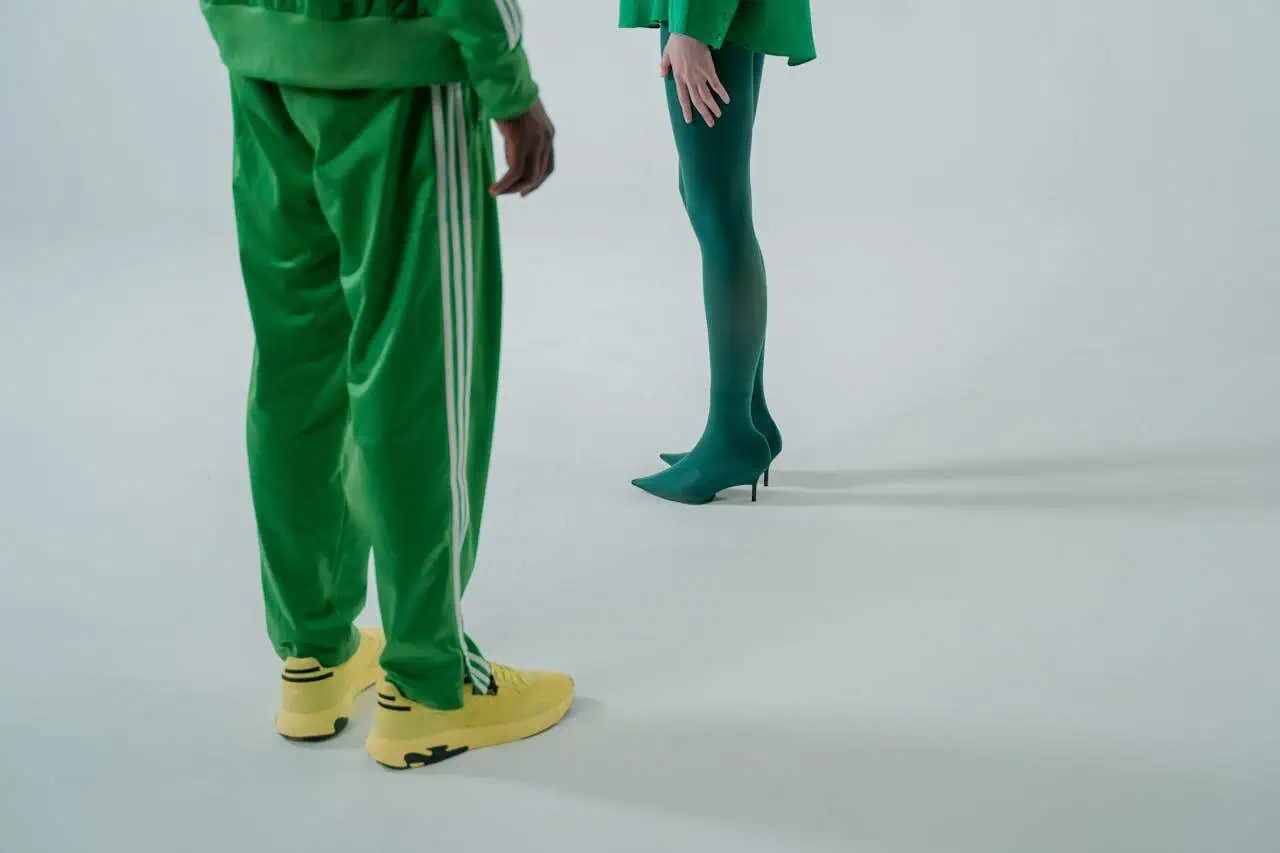
Tracksuits became a fashion statement through the influence of Black athletes, hip-hop stars, and streetwear pioneers. In the ’80s and ’90s, artists like LL Cool J and Missy Elliott redefined Adidas and velour tracksuits as cool, confident streetwear staples. These sets offered ease, coordination, and swagger all in one look. Today’s high-fashion renditions owe everything to the original street-style iterations that came from inner-city communities. Once seen as casual or athletic gear, tracksuits are now considered elevated essentials for both men and women, thanks to Black culture’s creative influence.
5. Bucket Hats
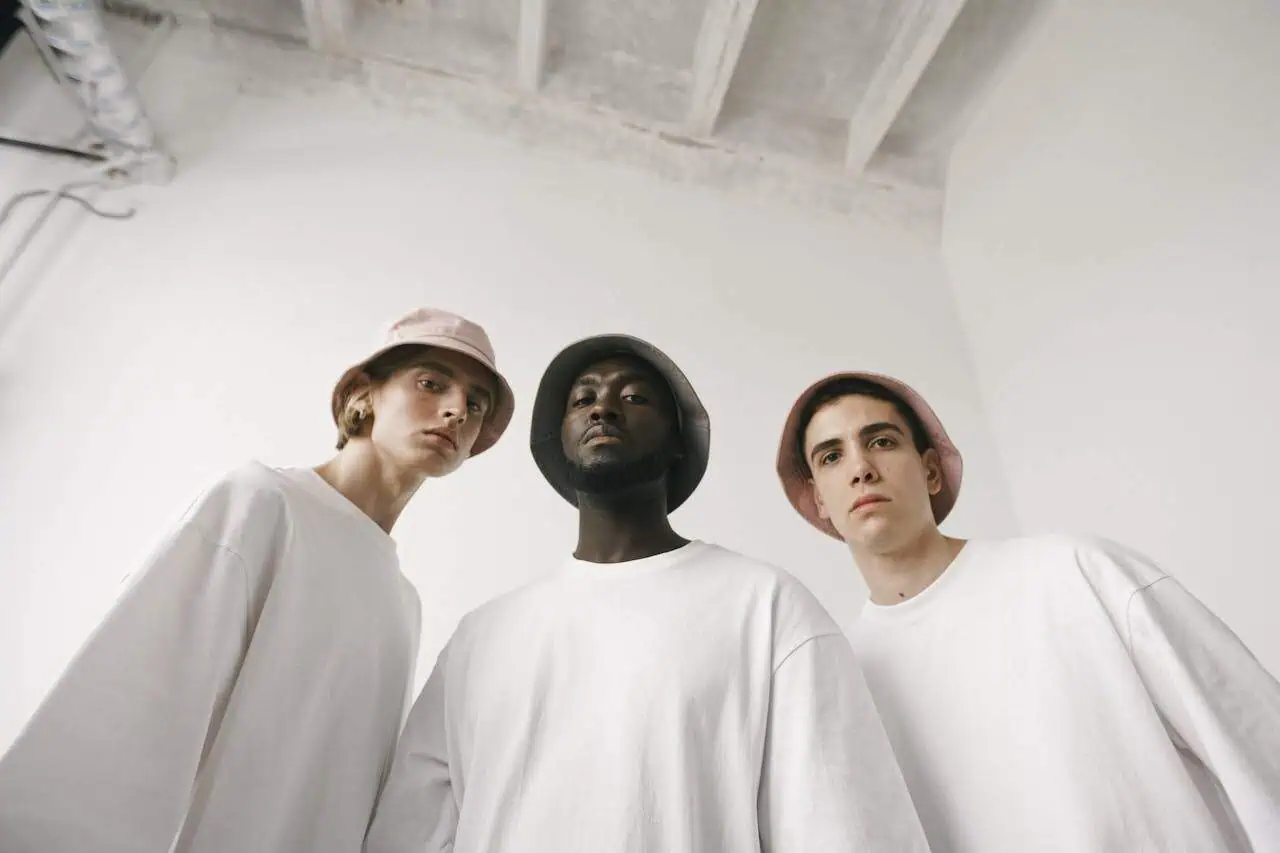
The bucket hat went from fisherman’s utility to streetwear icon because of its place in Black music and style. LL Cool J famously wore them in the ’80s, and soon, the headwear became a hip-hop staple. Bucket hats offered attitude, mystery, and functionality all at once. Their resurgence in today’s fashion landscape—spotted on runways and in luxury lines—is a direct callback to their cultural roots. While they’ve been reimagined in designer fabrics and prints, their origins lie in the rhythm and soul of Black culture.
6. Gold Chains
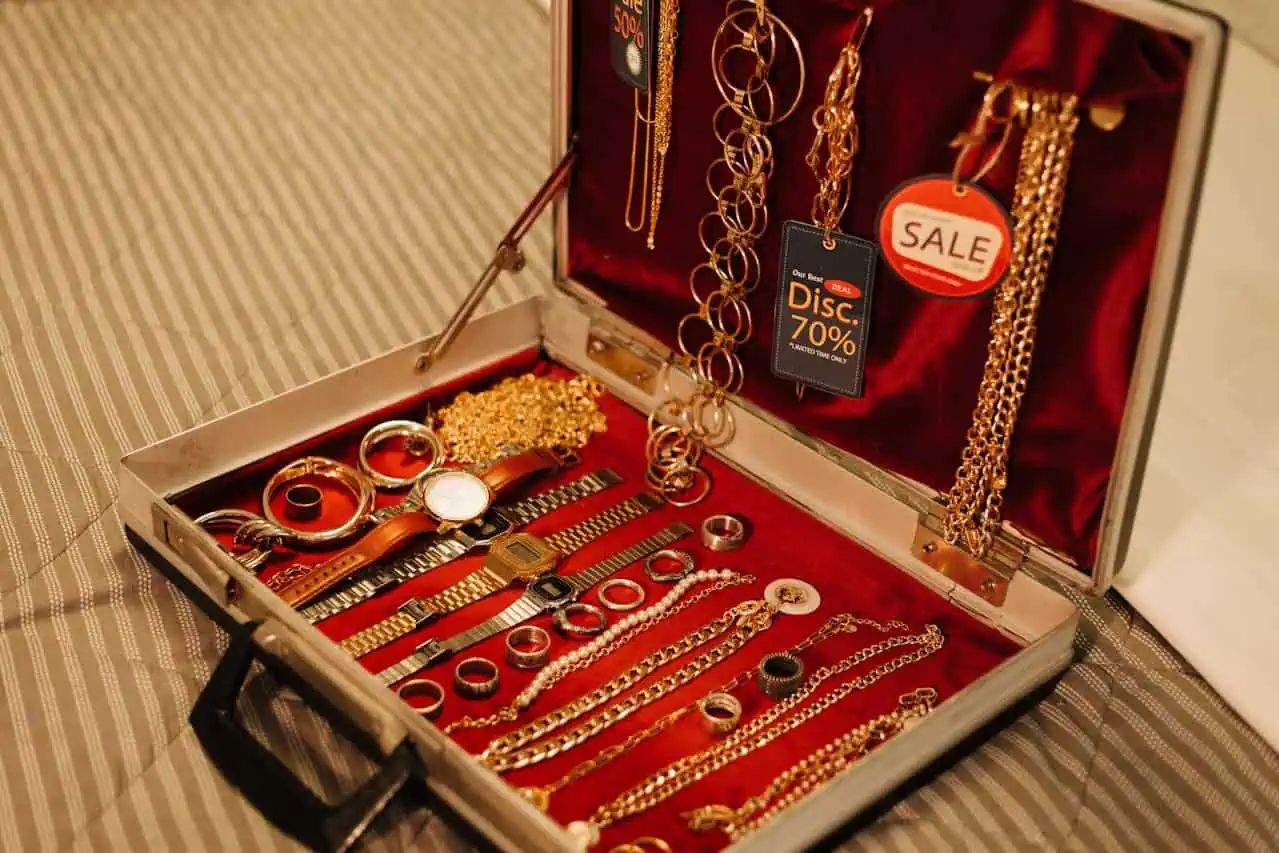
Bold gold chains have long signified success and self-worth in Black communities. In the ’80s and ’90s, rappers like Biggie Smalls, Rakim, and Tupac turned gold jewelry into visual poetry—wearing chunky Cuban links and medallions to signal triumph. These weren’t just accessories; they were declarations. Wearing gold became an act of self-celebration, wealth manifestation, and sometimes protest. Modern fashion still leans on this bold aesthetic, borrowing the richness of this legacy without always acknowledging its cultural weight.
7. Oversized Streetwear

The oversized streetwear aesthetic—baggy jeans, giant tees, and loose silhouettes—came straight from the heart of Black youth culture. It was a rebellion against fitted, Eurocentric tailoring and a reflection of comfort, creativity, and swagger. In the ’90s, groups like TLC and Aaliyah brought this look into the mainstream. Today, oversized clothing is everywhere, from Paris runways to Gen Z closets. The silhouette might have changed, but the statement remains: it’s about freedom, authenticity, and flipping fashion norms.
8. Durags
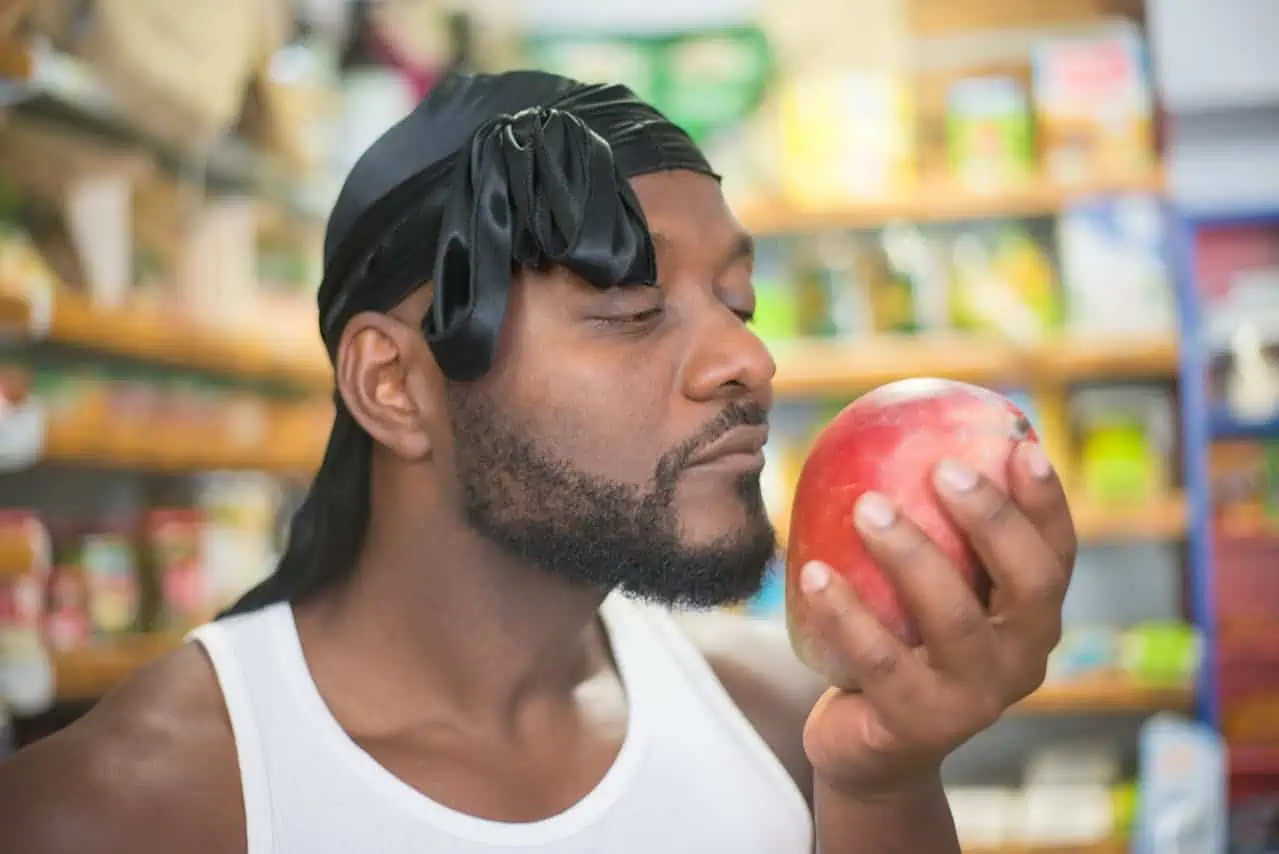
Durags are rooted in both function and fashion. Traditionally used to maintain textured hairstyles and wave patterns, they evolved into powerful cultural symbols. In the early 2000s, durags became part of everyday fashion, seen in music videos, on red carpets, and in editorial spreads. Although often misrepresented or banned in certain spaces, durags are now being reclaimed with pride. Whether made from velvet, silk, or satin, their presence in fashion today reflects a deeper respect for Black heritage and haircare rituals.
9. Grillz
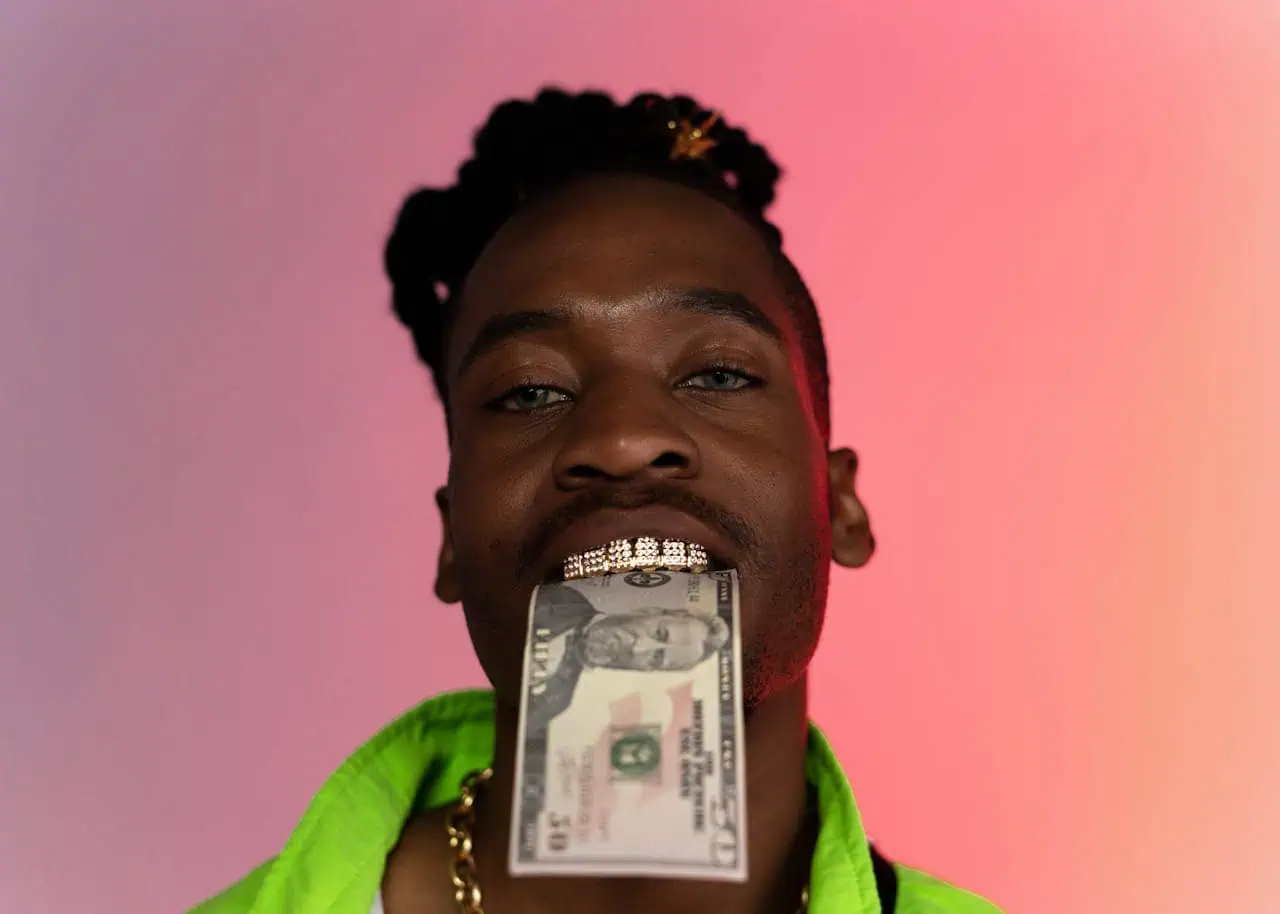
Gold and diamond-encrusted dental accessories—known as grillz—originated in the hip-hop scene as expressions of opulence and self-made success. Worn by artists like Nelly, Lil Wayne, and later Rihanna, grillz became a flashy hallmark of street glam. These custom mouthpieces blend artistry with identity, showcasing status and style in one glittering smile. Once seen as over-the-top, grillz have been embraced by high fashion, with brands like Balenciaga and Givenchy taking cues from their flair. But at its core, this trend remains a celebration of confidence and creativity from Black culture.
10. Statement Nails
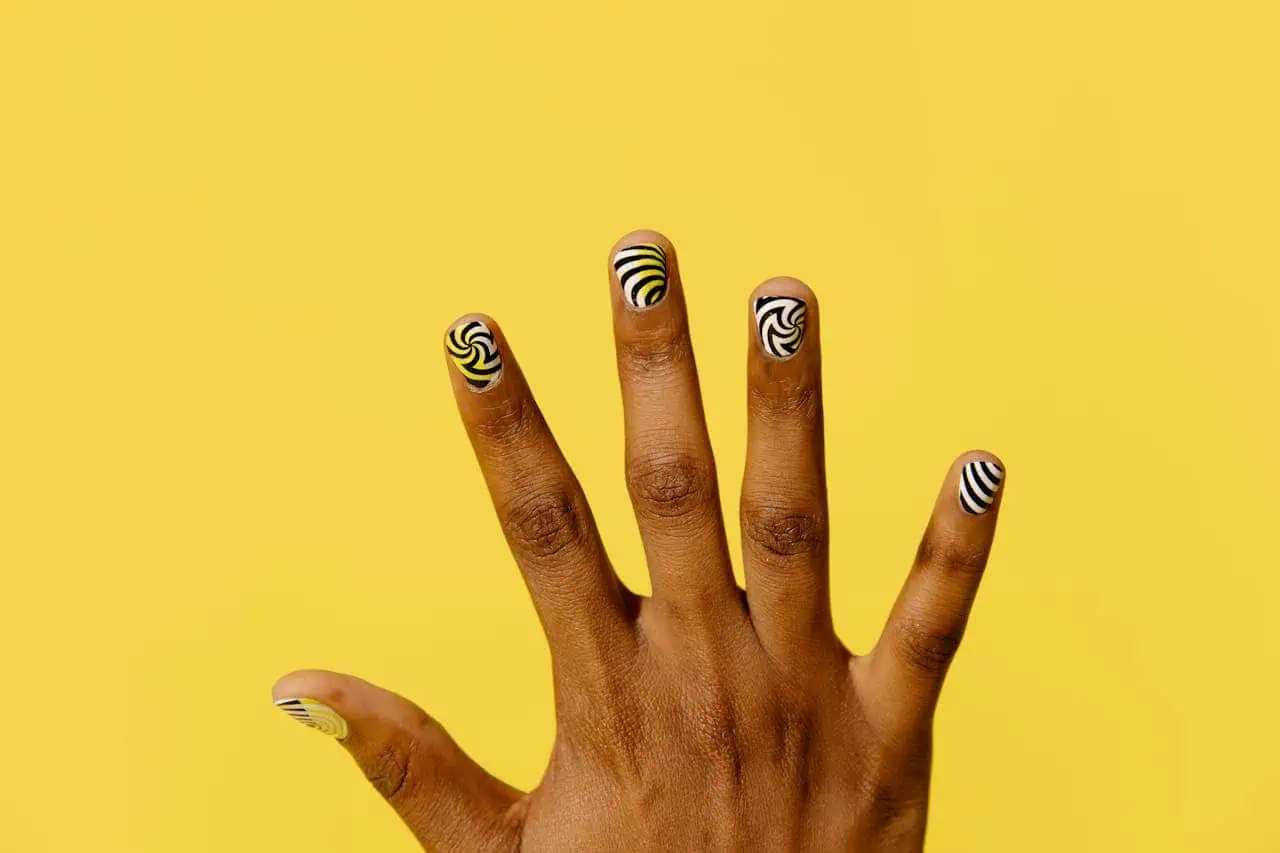
Long, detailed, and bedazzled nails—often called “statement nails”—have been part of Black beauty culture for decades. Pioneered by Black women in salons across the U.S., these bold designs became status symbols and canvases for self-expression. From acrylic lengths to intricate airbrush art, statement nails tell stories of identity, empowerment, and artistry. Artists like Missy Elliott, Lil’ Kim, and Cardi B helped bring them into the mainstream. Today’s nail trends—like maximalist nail art and press-ons—owe a huge debt to Black beauty innovators who turned fingertips into fashion.