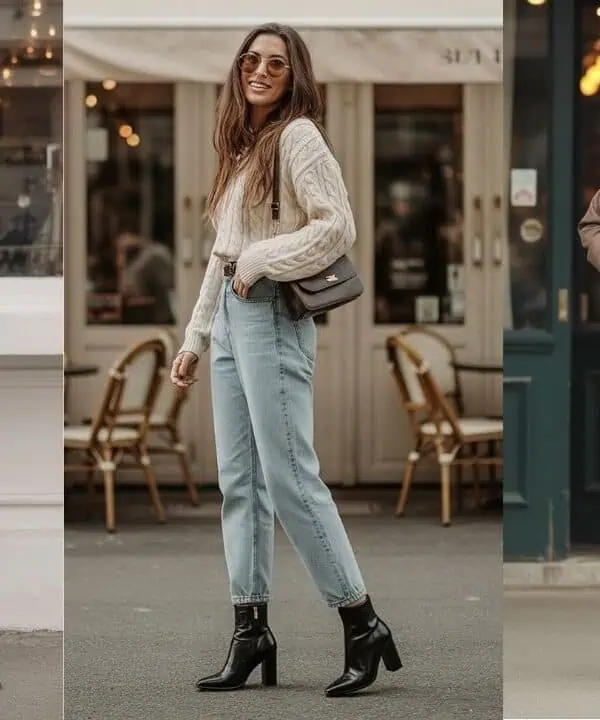
Fashion has always been a reflection of cultural shifts, generational changes, and evolving lifestyles. What was once considered a hard-and-fast style “rule” decades ago often feels outdated or irrelevant today. Over the past 40 years, women and men alike have seen the fashion landscape transform from strict codes to fluid guidelines that embrace individuality. From mixing patterns to redefining age-appropriate dressing, these once-rigid rules no longer define personal style. Instead, modern fashion celebrates freedom, comfort, and creativity. Here are 10 traditional fashion rules that have been rewritten and what they look like in 2025.
Table of Contents
1. No White After Labor Day
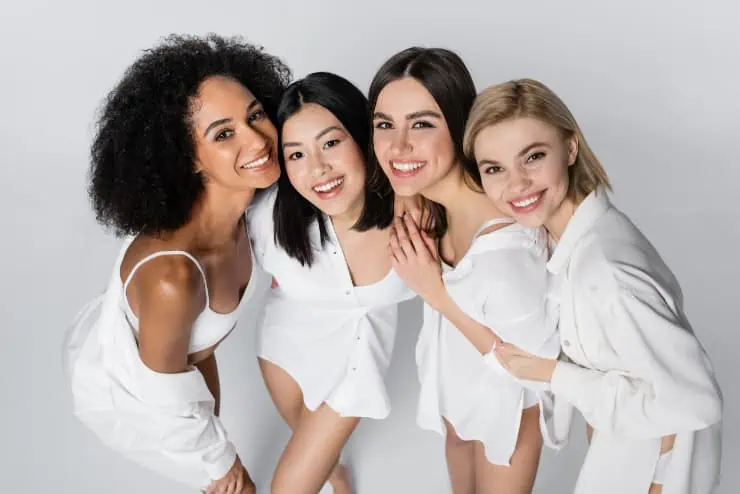
For decades, wearing white past early September was seen as a major faux pas, tied to outdated notions of seasonal etiquette. Today, this rule has been fully dismissed, with white jeans, sweaters, and coats appearing as fall and winter staples. Monochromatic ivory outfits look chic against darker seasonal palettes, while white boots and coats have become cold-weather favorites. Modern fashion embraces white as a year-round neutral, proving that color choices are no longer dictated by the calendar but by personal style and creativity.
2. Never Mix Patterns
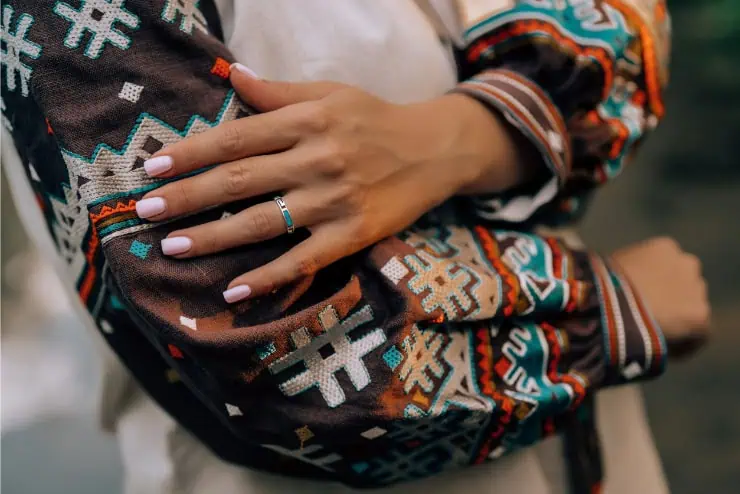
Pattern mixing was once seen as chaotic or mismatched, but now it’s a hallmark of modern street style. Stripes with florals, checks with polka dots, and animal prints with plaids all create bold, fashion-forward looks. The trick lies in balancing color palettes and scales, making the mix intentional rather than random. Stylists today encourage experimentation, and even luxury brands highlight clashing prints in runway collections. This change reflects a broader acceptance of fashion as self-expression rather than conformity. What was once considered “wrong” is now celebrated as stylishly daring.
3. Shoes and Bags Must Match
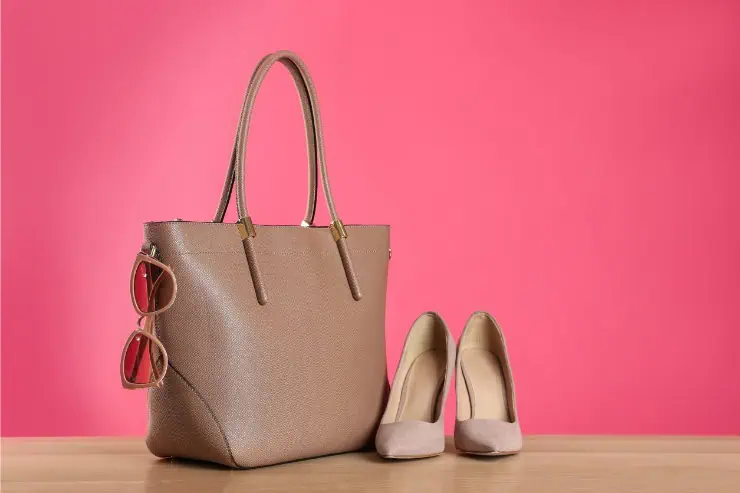
In the past, matching your handbag to your shoes was considered essential for looking put-together. Today, that rule feels restrictive and outdated. Fashion now encourages mixing textures, colors, and styles to create more dynamic outfits. For instance, a tan leather tote may be paired with bold red flats, or metallic heels can work with a simple black crossbody. This freedom allows accessories to stand out on their own, giving women more room to showcase personality and creativity in their looks rather than sticking to stiff coordination.
4. Older Women Shouldn’t Wear Bold Trends

Age used to be seen as a limiting factor in fashion, with the expectation that women over 40 or 50 should “tone down” their wardrobes. Today, that restriction is gone. Women of every age wear bold colors, statement prints, and even edgy silhouettes without hesitation. From Iris Apfel to Jane Fonda, fashion icons have proved that confidence is timeless. The modern fashion landscape prioritizes personal comfort and authenticity, not arbitrary age brackets. Instead of fading into neutrals, women over 60 are embracing vibrant style as a reflection of vitality and individuality.
5. Denim is Only for Casual Wear

In the 1980s, denim was largely restricted to weekends or casual outings, with workplaces and formal settings banning it altogether. Fast forward to today, and denim has become a versatile wardrobe essential. Dark-wash jeans are styled with blazers for business-casual looks, while denim dresses, skirts, and tailored jackets even appear on red carpets. Luxury houses have elevated denim into high-fashion collections, breaking the barrier between casual and refined. This shift proves how flexible denim has become, adapting seamlessly to both relaxed and polished settings.
6. Don’t Wear Black and Navy Together
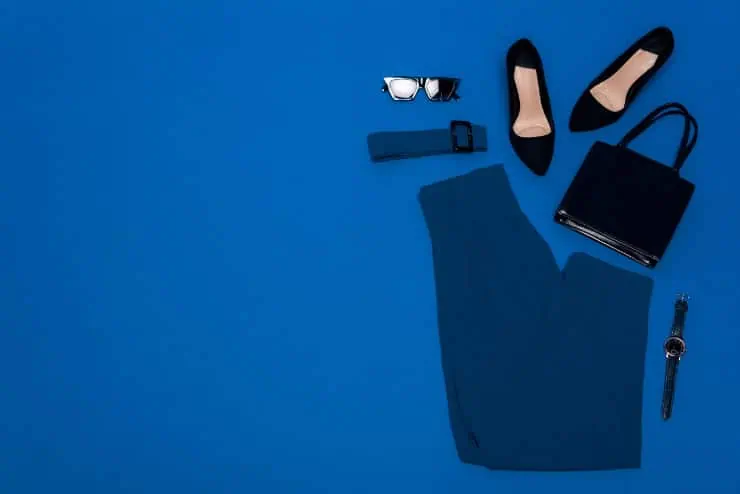
This combination was once considered a fashion mistake, as if the two colors clashed too closely. Modern style, however, embraces black and navy as a sophisticated pairing. Together, they create depth and subtle contrast, especially in fall and winter wardrobes. A navy coat over black trousers or a black blouse with a navy skirt feels intentional and chic. Designers frequently showcase this duo in runway collections, proving that rules around “clashing” colors are outdated. Today, it’s about balance, texture, and styling rather than arbitrary color restrictions.
7. Formalwear Must Be Strictly Traditional
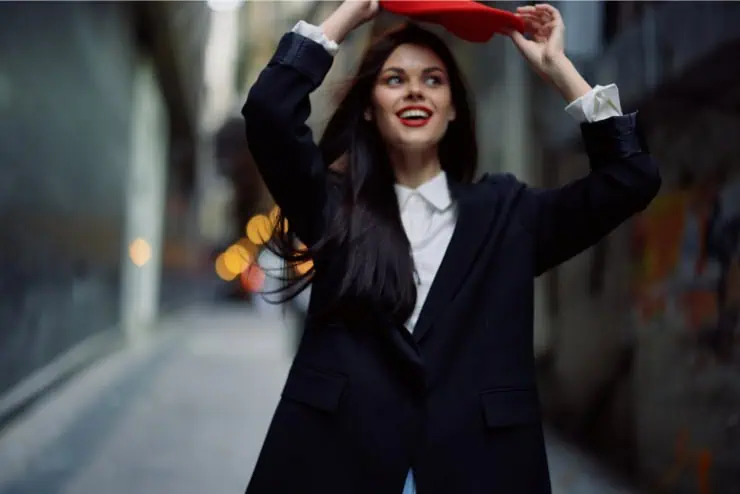
Decades ago, formal events required strict adherence to gowns, tuxedos, or cocktail attire. Now, formality has relaxed to allow for individuality and comfort. Women wear jumpsuits, tailored suits, or even elegant separates instead of ball gowns. Men incorporate sneakers, bold prints, or unique tailoring into their formal looks. This shift reflects broader cultural changes, where authenticity matters more than rigid dress codes. Today, being stylish at a formal event doesn’t mean blending into tradition; it means expressing personality while still respecting the occasion.
8. Fashion Should Prioritize Pain Over Comfort

The idea that “beauty is pain” ruled style for decades, with women enduring tight corsets, sky-high heels, or restrictive fabrics. In 2025, comfort and functionality stand at the forefront of fashion. Sneakers are paired with dresses, stretch fabrics have entered workwear, and ergonomic footwear is just as stylish as stiletto pumps. Even luxury brands prioritize movement and ease in their collections. This evolution proves that fashion can look elevated without sacrificing comfort, a major change from the rigid, sometimes harmful rules of the past.
9. Men Shouldn’t Wear Jewelry Beyond a Watch

Forty years ago, men’s accessories were limited to watches, belts, and cufflinks, with jewelry seen as feminine. Today, men embrace rings, chains, bracelets, and earrings as mainstream style statements. From casual streetwear to luxury fashion, jewelry has become a tool for self-expression across genders. This shift reflects a breakdown of rigid gender roles in style, allowing men to access the same creative freedom as women. Jewelry is no longer about masculinity or femininity; it’s about personality and aesthetic.
10. Plus-Size Fashion Must Be “Slimming”

Historically, plus-size women were encouraged to wear only dark colors, loose silhouettes, or pieces designed to “hide” their bodies. Modern fashion has completely rewritten this narrative. Brands now design bold, colorful, and form-fitting clothes in extended sizes, celebrating body diversity rather than minimizing it. Influencers and celebrities have further normalized the idea that style is for every body. This shift empowers women to embrace fashion without apology, prioritizing joy and creativity over outdated ideas about what is “flattering.”