Fashion used to come with a strict set of rules, especially around color. Women were told what shades worked for their age, what combinations were “appropriate,” and which hues to avoid altogether. These guidelines often limited creativity and forced wardrobes into safe, predictable palettes. Today, style is far more expressive and personal. Modern women especially those over 50 and 60 know that color is a powerful tool for confidence, vibrancy, and individuality. Here are ten old-fashioned color rules that women no longer feel the need to follow, and why letting them go makes style feel so much more modern.
Table of Contents
1. No White After Labor Day

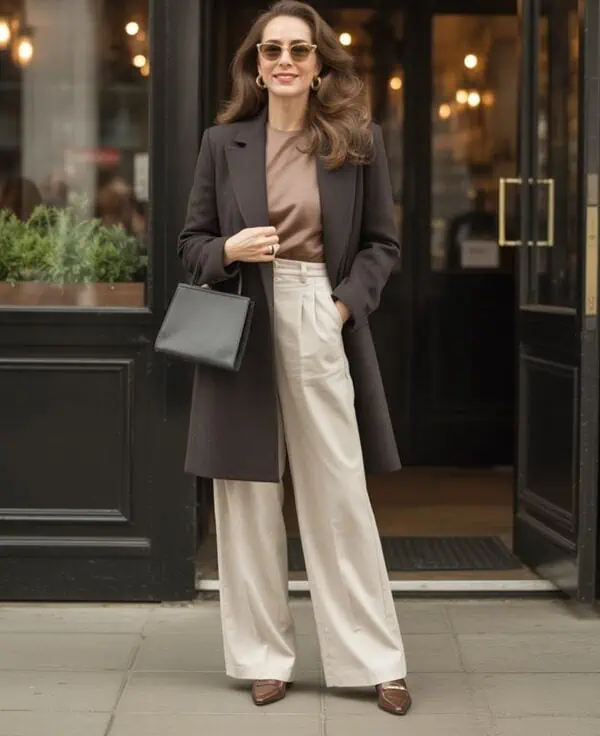
One of the most famous fashion rules of the past was that white should only be worn in summer. After Labor Day, the shade was considered off-limits until spring. Today, this feels both outdated and impractical. Winter whites are now a staple in modern wardrobes think cozy ivory sweaters, cream coats, and off-white trousers. When styled with texture and layering, white looks chic year-round. Modern women embrace the shade as timeless and versatile, no longer restricting themselves to arbitrary seasonal guidelines. Wearing white in fall and winter is now a mark of effortless sophistication.
2. Black and Brown Don’t Mix

For decades, women were told that black and brown should never appear in the same outfit. This old rule stemmed from the belief that the two neutrals clashed or looked “mismatched.” But today, the combination is considered modern and elegant. Pairing chocolate brown with sleek black creates depth and a sense of richness, especially in fall wardrobes. Accessories like tan boots with a black coat or a brown belt over a black dress prove how chic the mix can be. Modern women confidently embrace black and brown together as a stylish neutral pairing.
3. Navy and Black Are a No-Go

Another outdated pairing rule is the idea that navy and black don’t belong together. Decades ago, women were told the colors were too similar, creating a muddled effect. But in reality, navy and black look polished and chic when styled thoughtfully. Many French women have embraced this combination for years, and it’s now a favorite of modern stylists. A navy coat over black trousers or a navy blouse with a black pencil skirt feels sophisticated, not clashing. The once “forbidden” mix now signals confidence and a modern eye for subtlety.
4. Red Is Too Bold for Mature Women
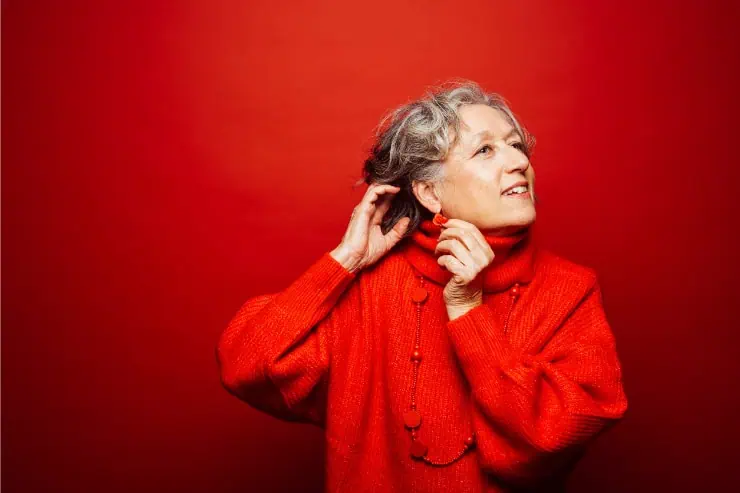
For years, older women were often advised to avoid bold colors like red, as they were considered too flashy or overpowering. Today, this idea couldn’t feel more outdated. Red is one of the most flattering and energizing colors at any age. From crimson sweaters to cherry-toned coats or even red lipstick, this shade radiates confidence and vibrancy. Women over 50 and 60 are reclaiming red as a statement color, wearing it unapologetically to add life to neutral wardrobes. Instead of avoiding it, they embrace red as a powerful tool for self-expression.
5. Pastels Are Only for Spring

Traditionally, soft pastel colors like baby blue, blush pink, and lavender were considered strictly springtime hues. But modern fashion ignores those seasonal limitations. Pastels look just as chic in winter, especially when paired with cozy textures like wool or cashmere. A pastel coat in January or a lavender scarf in November feels refreshing and stylish. The idea that certain colors only belong to certain months no longer applies. Women today enjoy pastels as year-round wardrobe staples, using them to soften or brighten outfits regardless of the season.
6. Black Is Too Harsh for Older Women

An old-fashioned belief held that women over a certain age should avoid black because it drained the complexion or appeared too severe. But black remains one of the most timeless and flattering colors in fashion. The key is in styling modern women soften black with accessories, add contrast with textures, or pair it with statement jewelry. From chic black trousers to the ever-classic little black dress, this shade continues to be elegant and versatile. Women over 50 no longer shy away from black; they embrace it as a foundational color that exudes sophistication.
7. Metallics Belong Only to Evening Wear

In the past, metallic tones like gold, silver, and bronze were reserved for nighttime events, parties, or formal occasions. Daytime metallics were considered “too much.” But today, metallic accents are worn confidently at any hour. A gold handbag, silver loafers, or a bronze knit sweater adds interest to everyday looks without feeling overdone. Modern style embraces shimmer in moderation, proving it doesn’t need to wait until after sunset. Women now see metallics as versatile tools for adding personality and modernity to daytime outfits as well as evening ones.
8. Grey Hair Requires Muted Colors
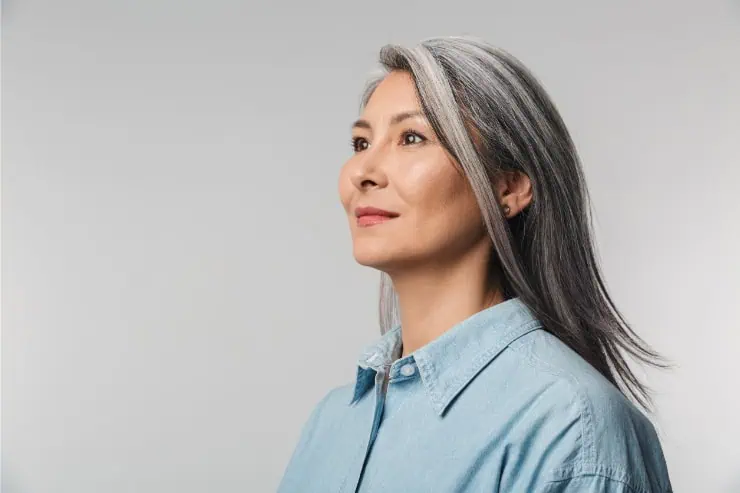
Women with grey or silver hair were once encouraged to stick to muted, understated palettes, often to avoid drawing attention. Today, that advice feels both limiting and unnecessary. Vibrant colors like cobalt blue, emerald green, or deep plum look stunning against silver strands, making the hair itself pop. Even bold contrasts like red or crisp white can highlight grey hair beautifully. Modern women embrace color as a way to celebrate, not hide, their natural hair. Instead of muted tones, they lean into richness and brightness to showcase individuality and confidence.
9. Bright Colors Shouldn’t Be Mixed

Another outdated guideline was that bold or bright colors shouldn’t be worn together. Women were told to balance a statement shade with something neutral to avoid looking “loud.” But fashion today celebrates mixing bold hues in creative ways. Pairing hot pink with red, cobalt with mustard, or emerald with fuchsia feels playful and modern. Instead of clashing, the combinations can look intentional and fresh when styled with confidence. Modern women no longer fear bold color-blocking they use it to express creativity and make their wardrobes feel more alive.
10. Beige Is the Only “Safe” Neutral

For decades, beige was promoted as the go-to neutral for women who wanted to look polished and age-appropriate. While beige can still be chic, relying on it exclusively feels outdated. Modern women experiment with a wider range of neutrals camel, ivory, charcoal, olive, or taupe that offer more depth and versatility. They also layer textures like wool, silk, and leather to make neutrals feel richer. The monotony of beige-only wardrobes has been replaced with neutrals that feel far more luxurious and dynamic.